Most
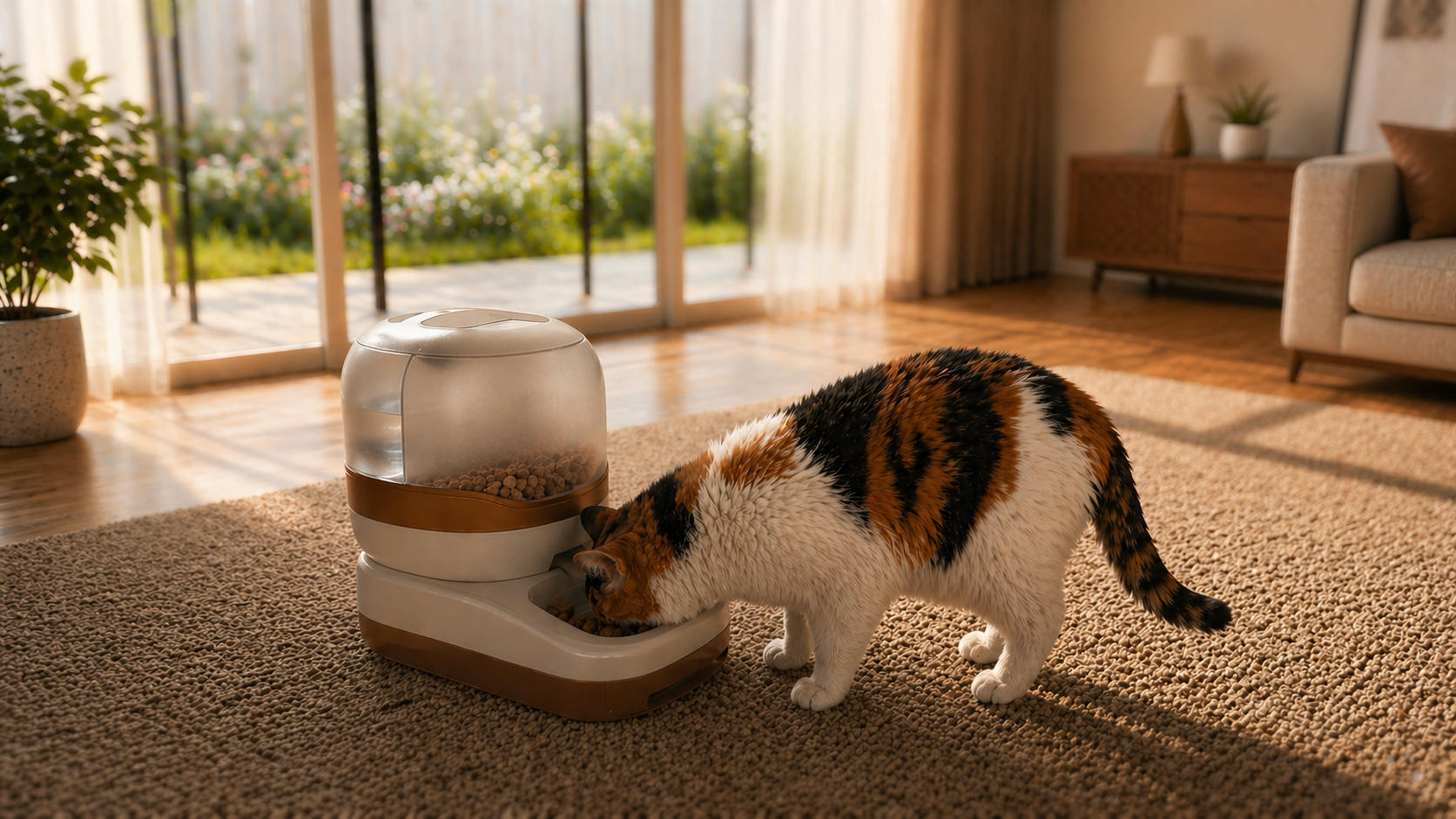
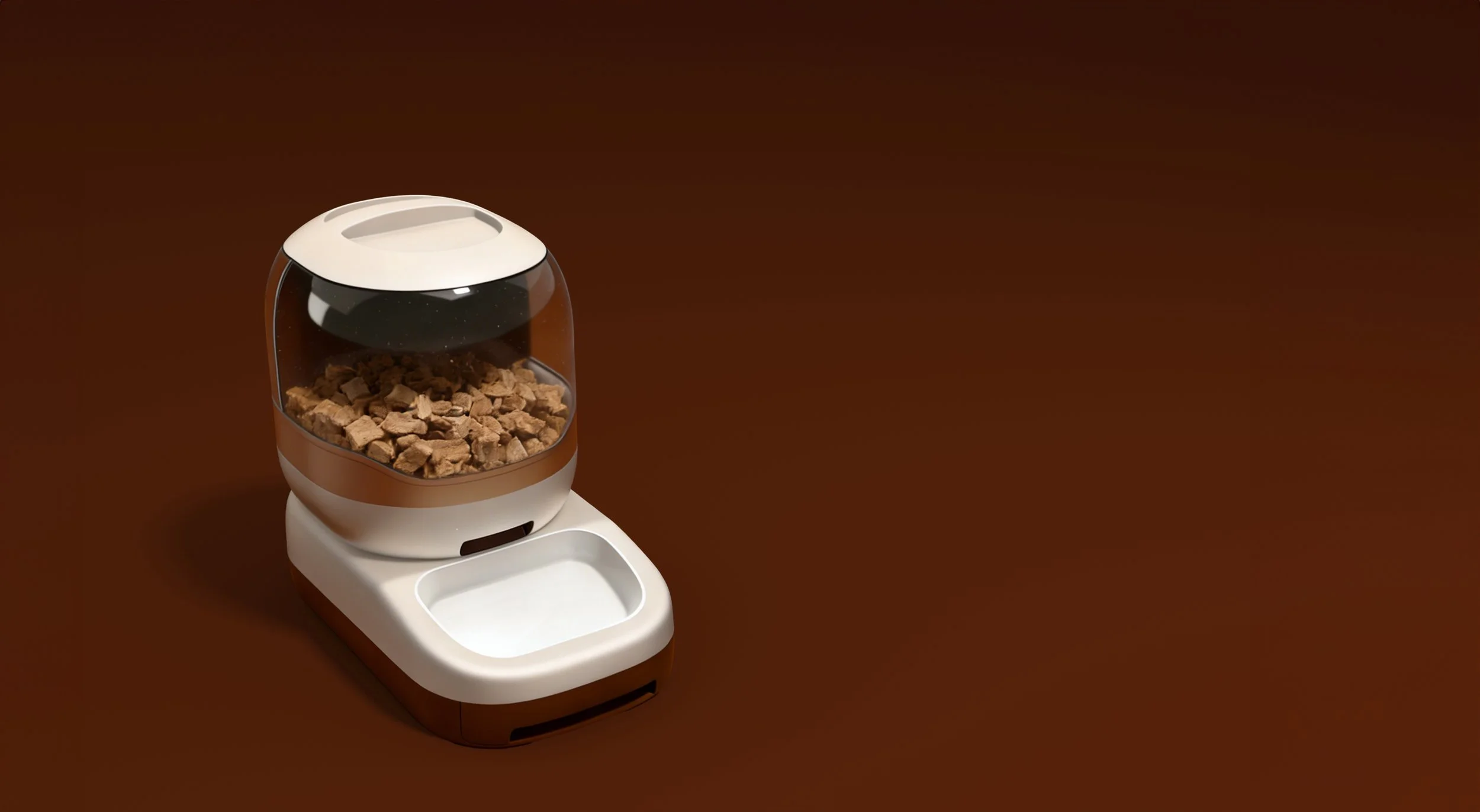
Redefining Wet Food Feeding Experience For Modern Cat Care
Duration: 4 months, January-April 2026
Focus: Industrial Design, HomeGoods, Pet Products

Gen Z & Millennials Dominate The Cat Market
They make up the majority of cat-owning households in the United States, representing approximately 30% to 40% of the total.
About Carent
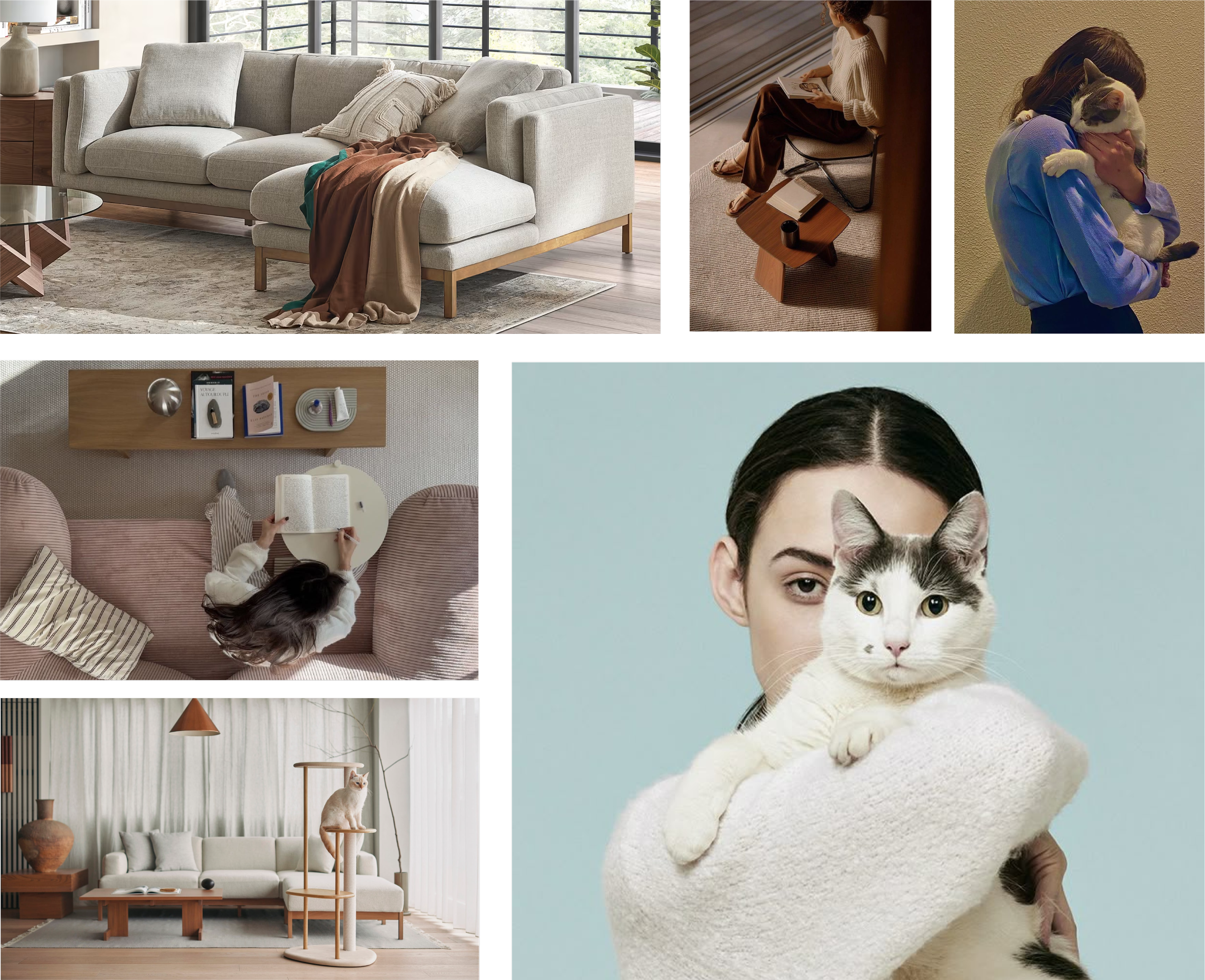
These pet owners are usually just starting to work or are in their early stages. Although they might not be very rich, they are still willing to invest in their cat’s quality of life, including natural food and various toys—much like parents caring for a child.
Income: Around 40-60K
Age Group: Varied but around 25-45
Cat’s Parent
About Carent’s Cat
Insight from 35 Carents…
From Kitten to Young Adult
About 26 of the subject’s cats are either Kittens (below 1 yr) or Young Adults. (1-6yr)
In about 5-10 years, those cats will gradually become mature adults or even seniors. Especially for seniors, their needs will be different from now.
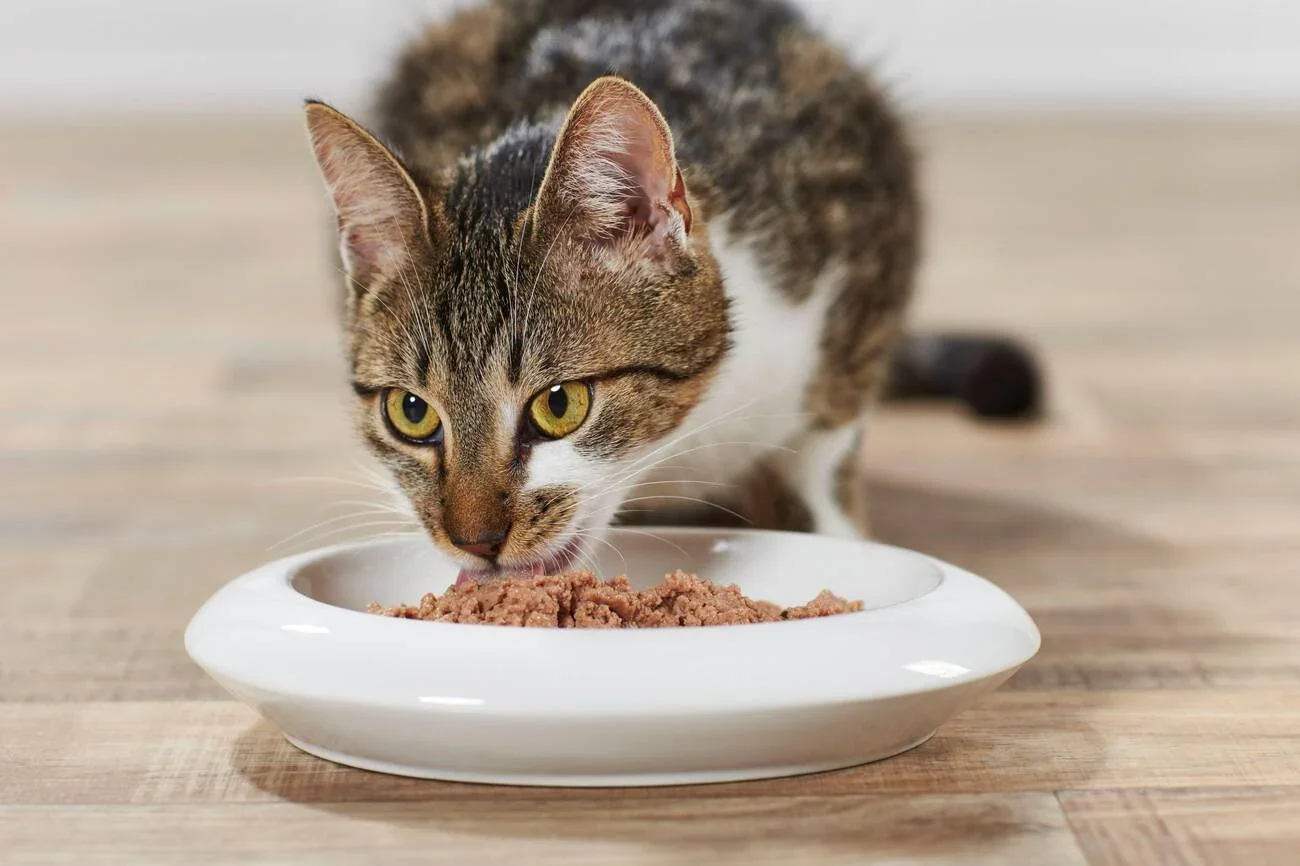
Wet Food Preference
From the investigation, the 31% of subjects will feed their cat wet food 1 meal per day. And the cat usually finishes all of the portion
Considering when cats get older, their teeth require softer food, it’s inconvenient if Carent has a trip.
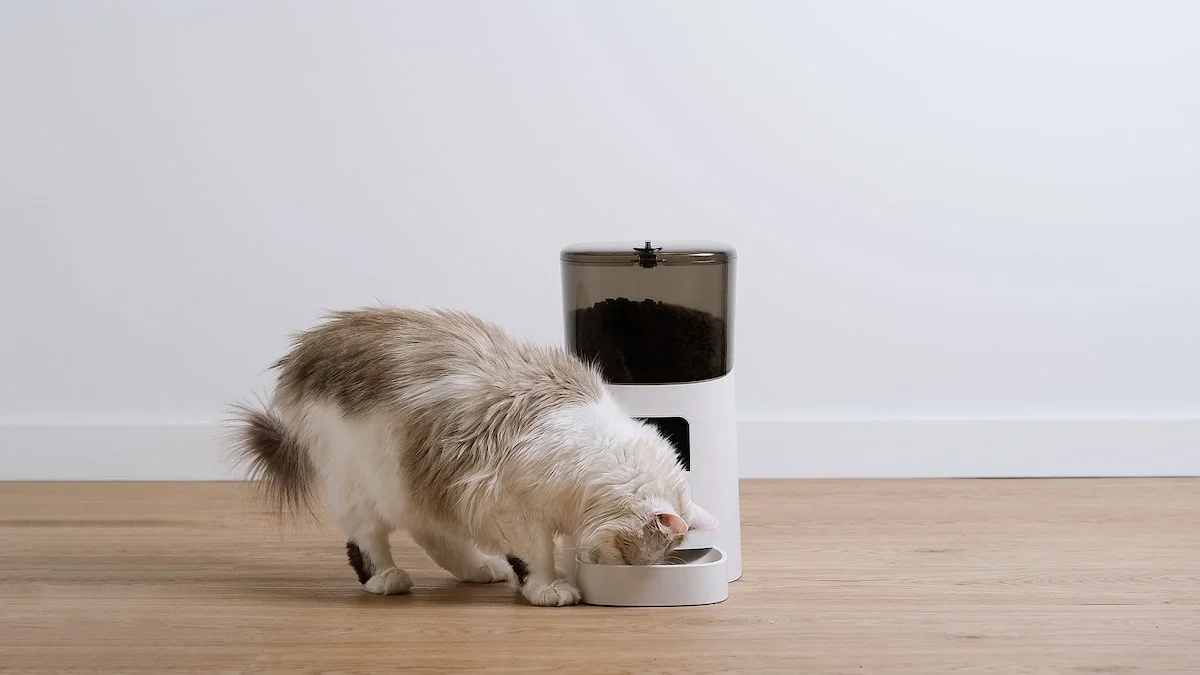
Trust In Smart Product
Carents are busy, that’s why they prefer to use smart products. The majority of carents are rely on smart products like Water Fountains, Automatic Feeders, etc.
For people planning to adopt a cat, purchasing smart pet products is highly likely.
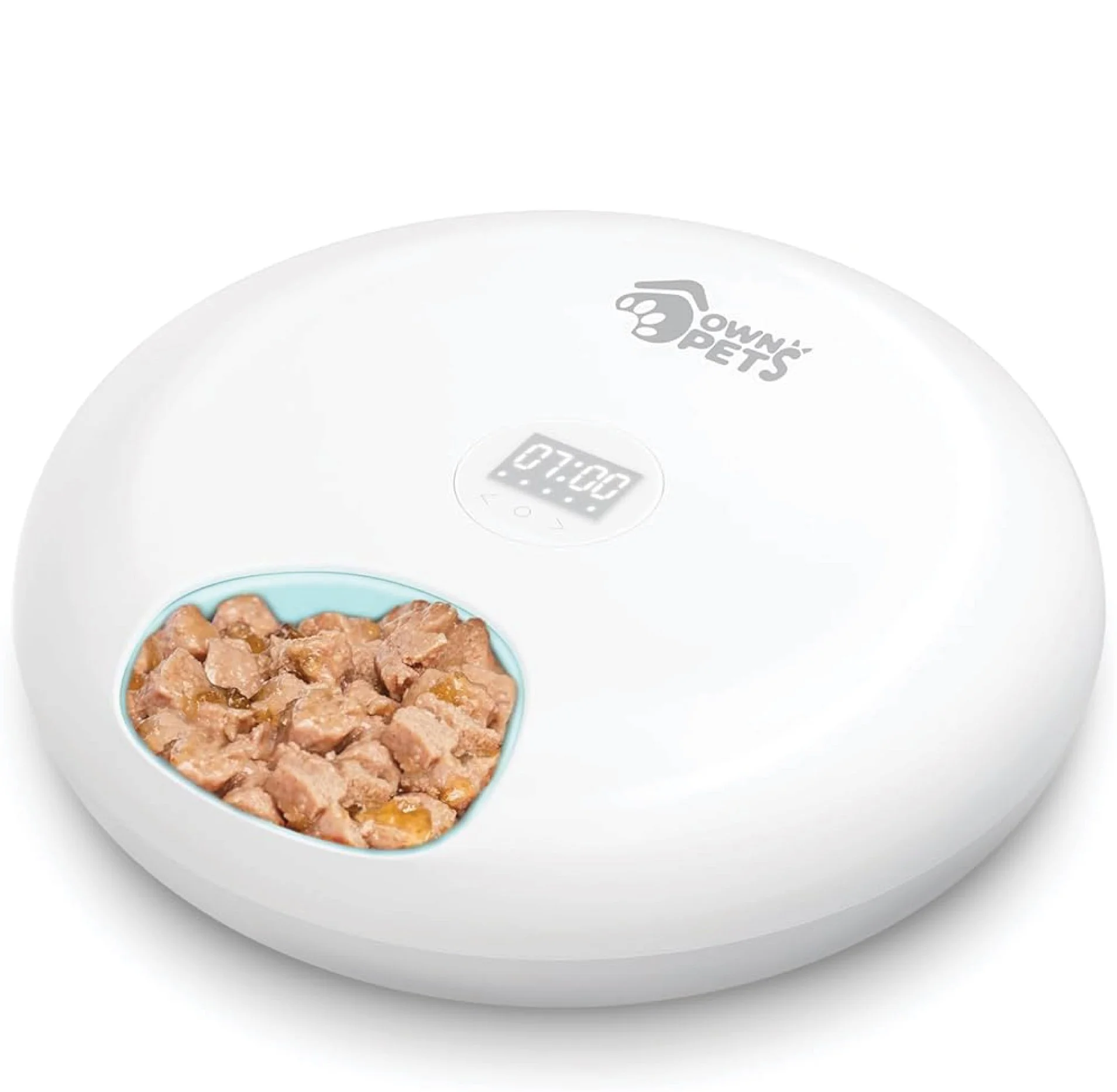
From Market..
Type 1
- Allow Wet Food
- No Remote Control
- Require Icepack
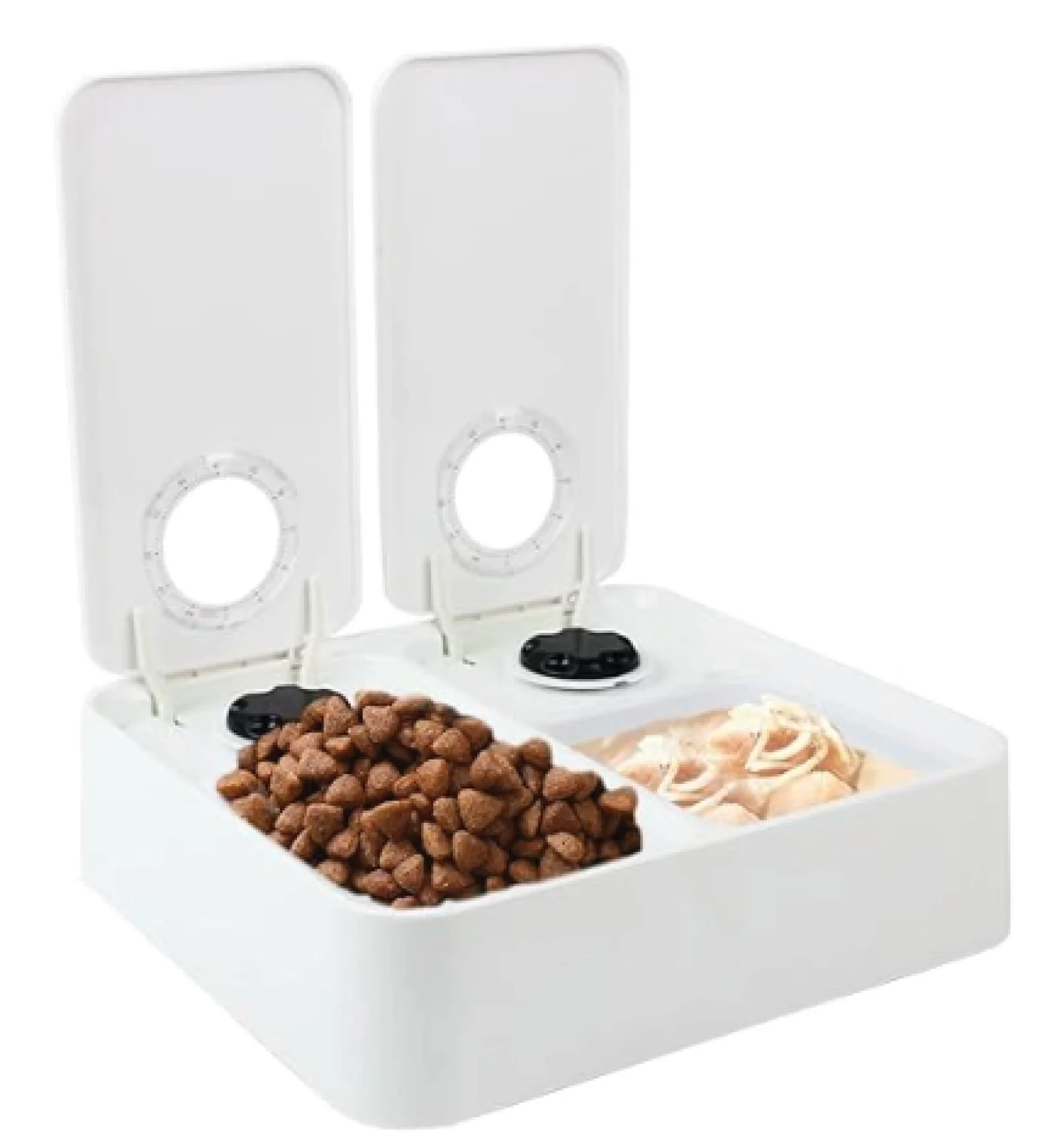
Type 2
- Allow Wet &Dry Food
- No Remote Control
- Require Icepack

Type 3
- Allow Wet Food
- Allow Remote Control
- Require Icepack and charging

Type 4
- Not allow Wet Food
- Allow Remote Control
- Require charging
Although today's market offers some feeders capable of providing wet food for cats, these options are not as "smart" as today's dry food feeders:
The key problem is that those options can’t support Carent to take a trip
Problem
Providing wet food becomes impossible when Carents travel, especially for senior cats that rely on it.
Goal
Making Wet Food Feeding Possible Away From Home
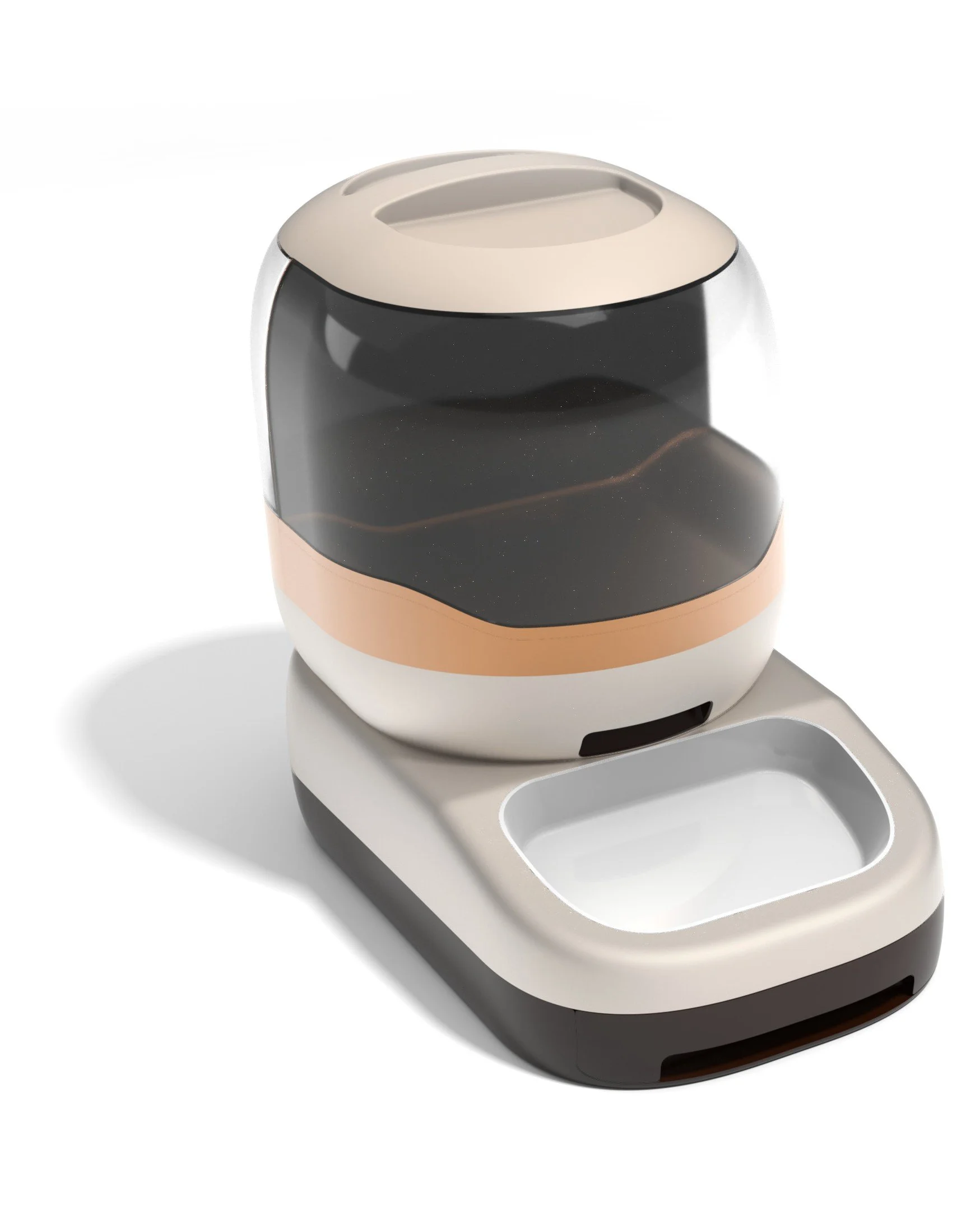
How does Most solve this problem

About Wet Food
- Most wet food today is stored in cans, making an "automatic can opener" challenging
- The liquid in wet food makes it easy to spoil (Reason for storing in can)
- Wet food loses appeal once it dries out, resulting in poor taste and diminished quality
Why is there no wet food feeder?
Then What If…
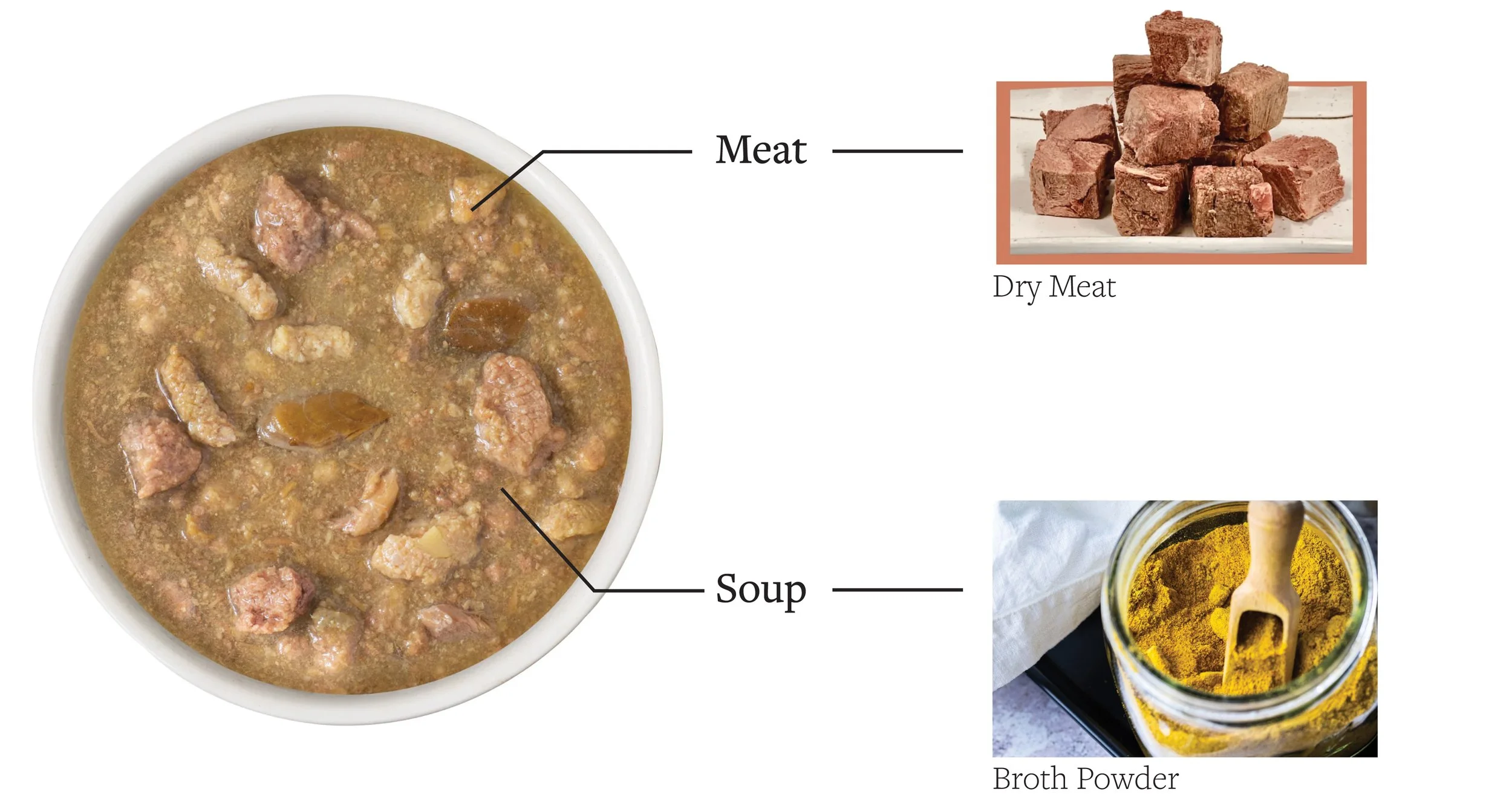
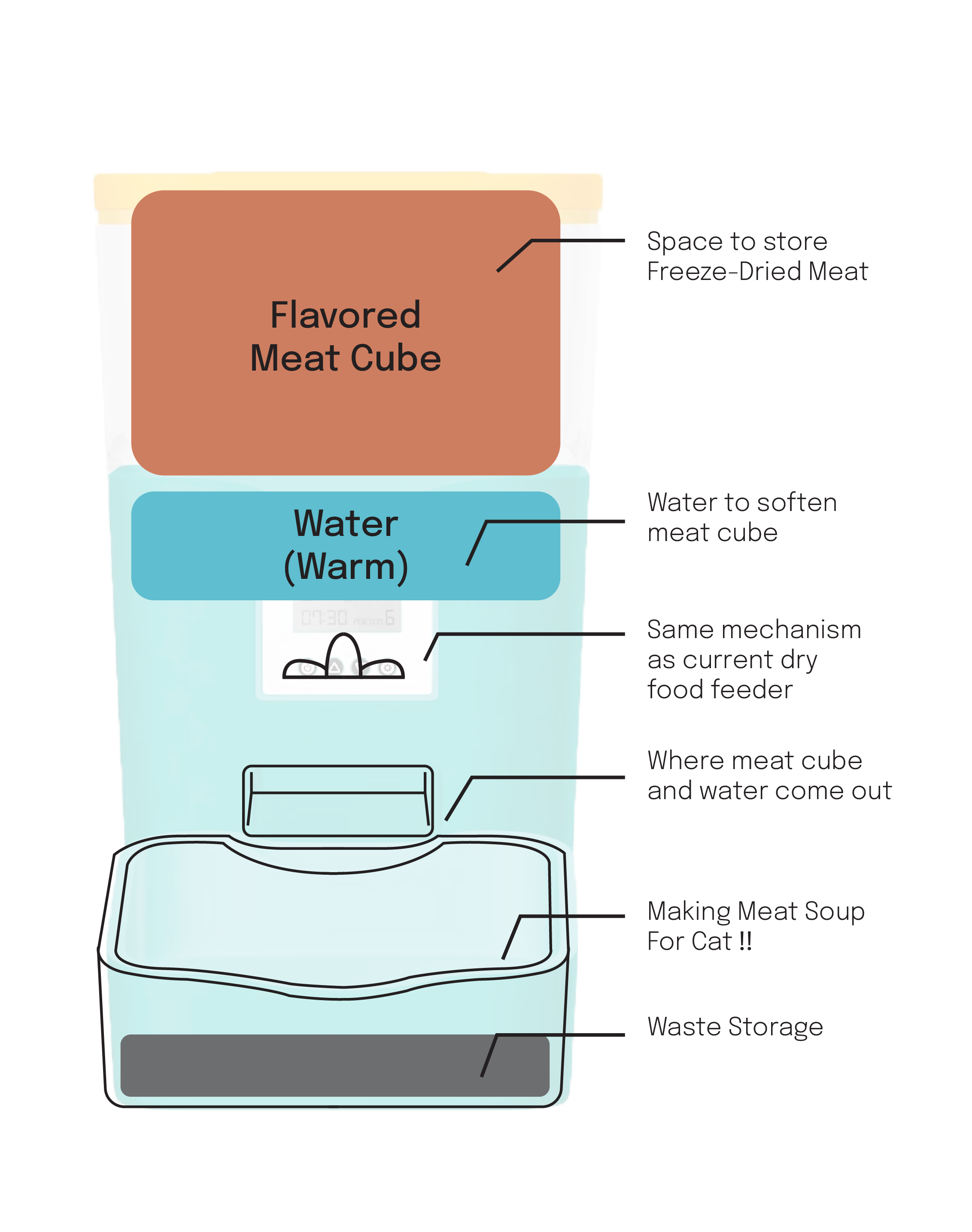
- Wet food contains two major ingredients: Soup and Meat Flake
- What if we use Water and Freeze-Dried Meat to replace the current wet food?
Recreating Wet Food (Flake)
In That Case…
The design can inherit and develop based on the mature structure of the Dry Food Feeder.
Mature Structure
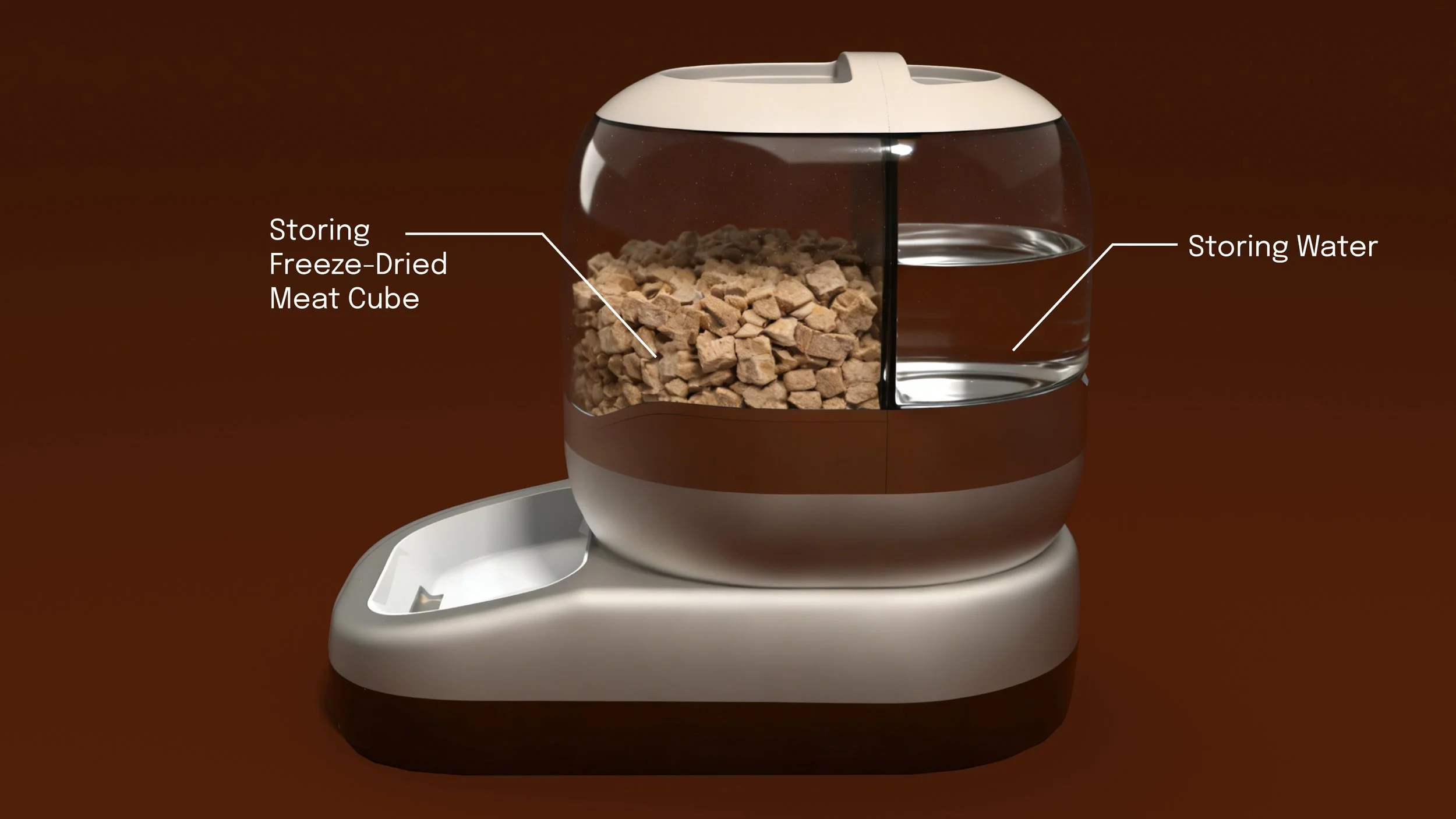
The Difference
Besides inheriting the mature dispensing structure, the design incorporates a peristaltic pump for controlled water delivery and meat rehydration
Dispense and Rehydrate
How Does The Interior Work
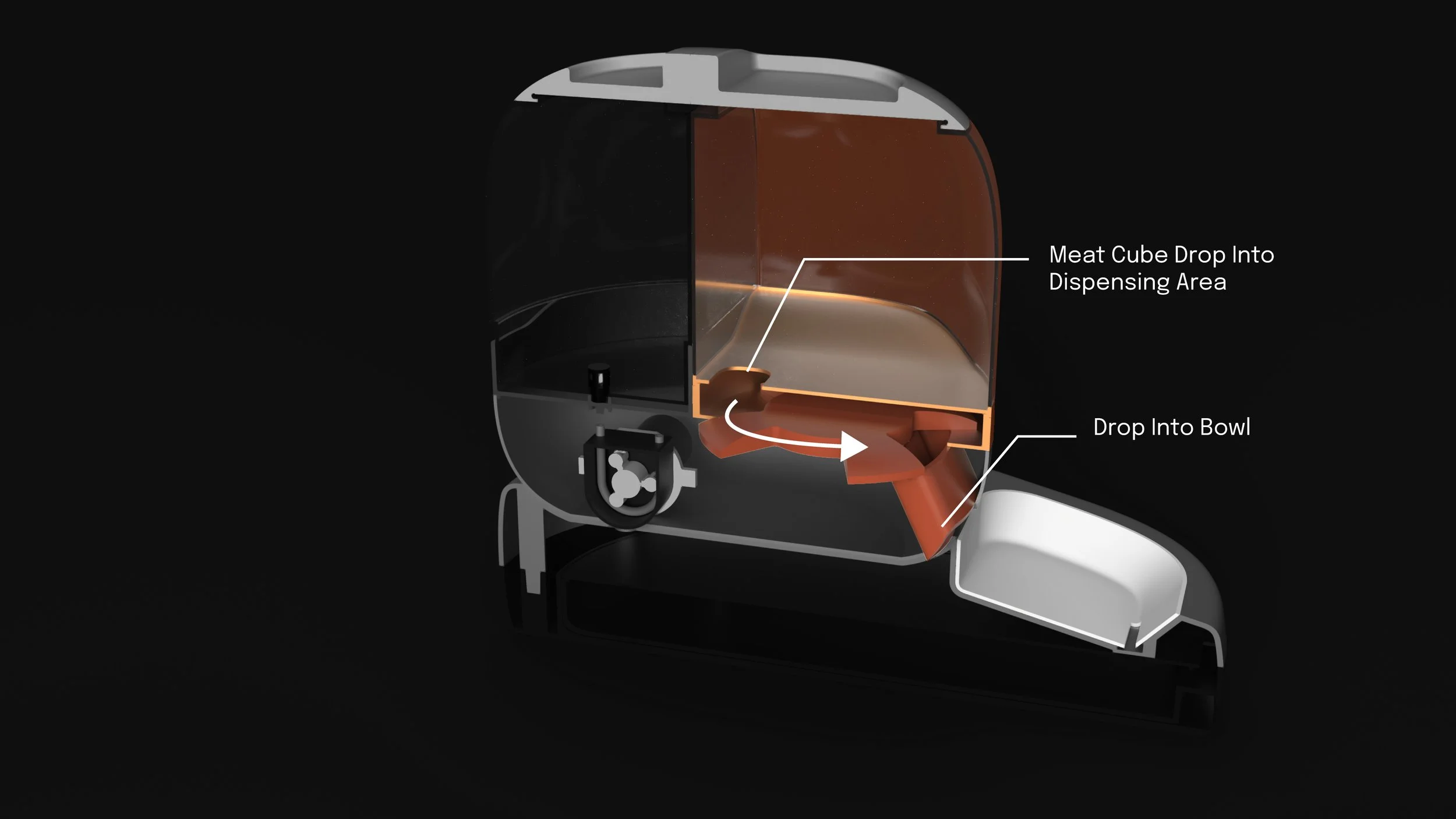
1. Just like the dry food feeder, the meat cube will drop from the food tank into the dispense section, then drop inside the bowl
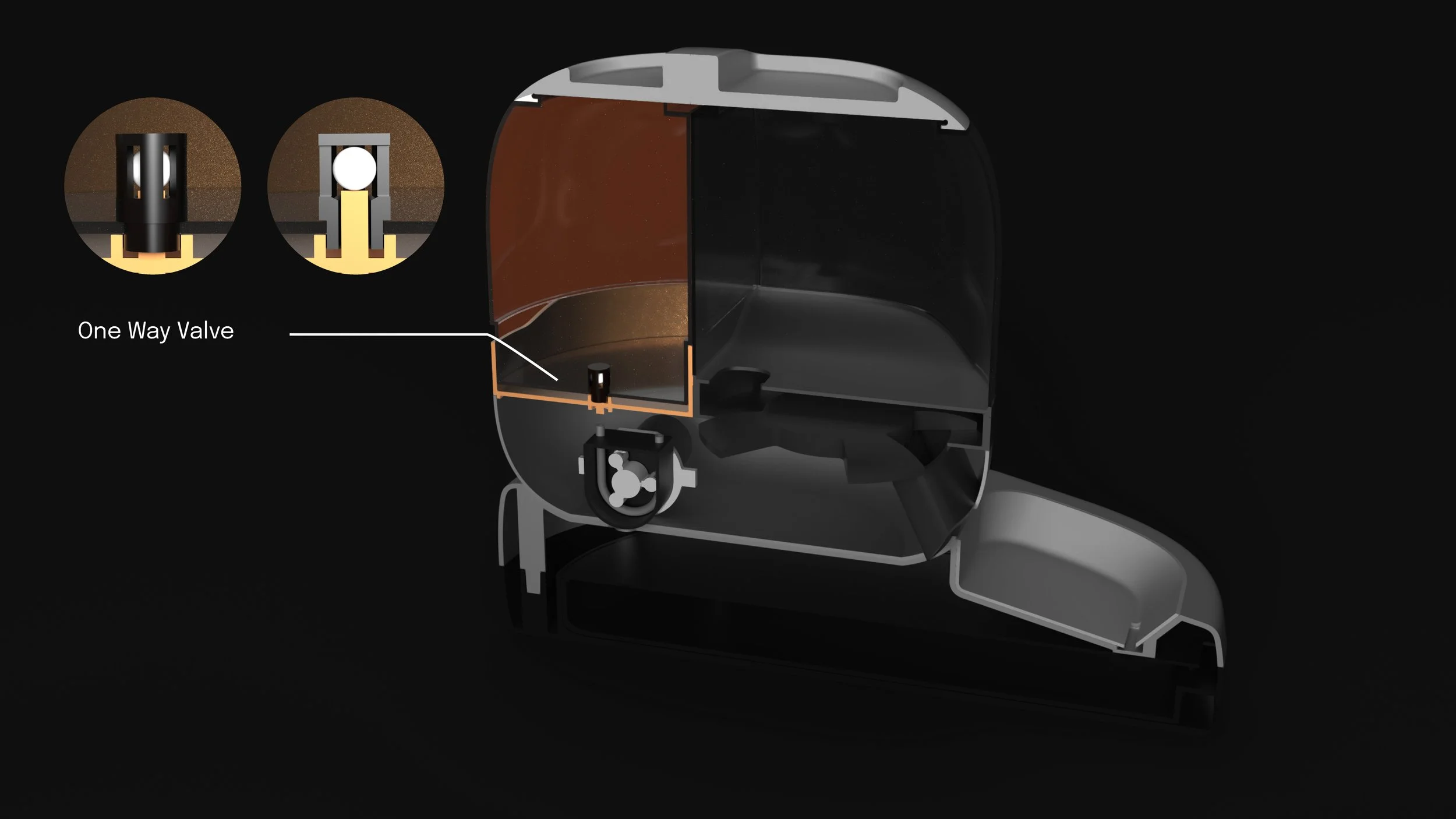
2. After adding the water and placing the reservoir back, the water goes through the one-way valve (Similar to coffee machine)
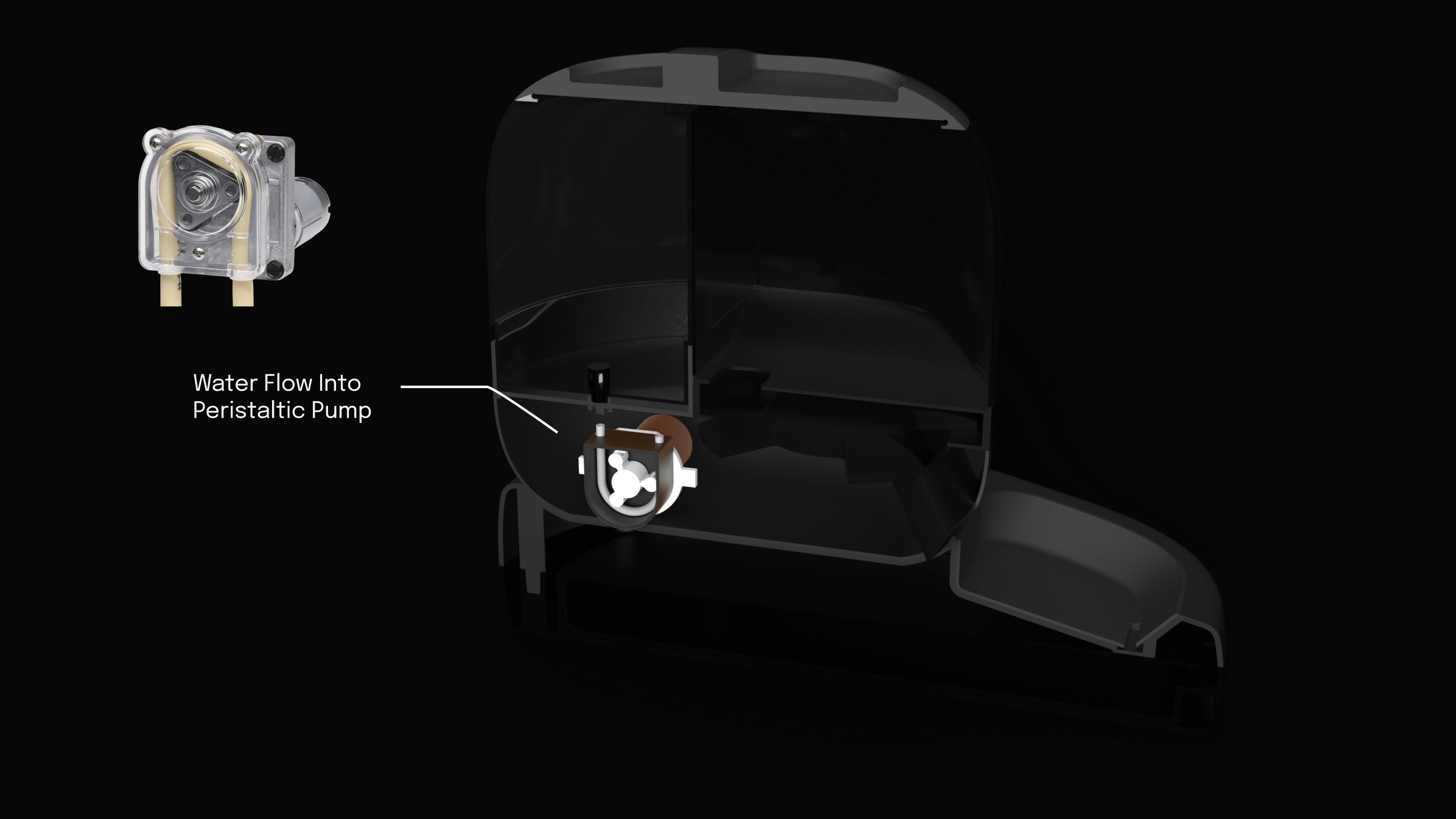
3. Then water flows into the Peristaltic Pump, which helps pump water out
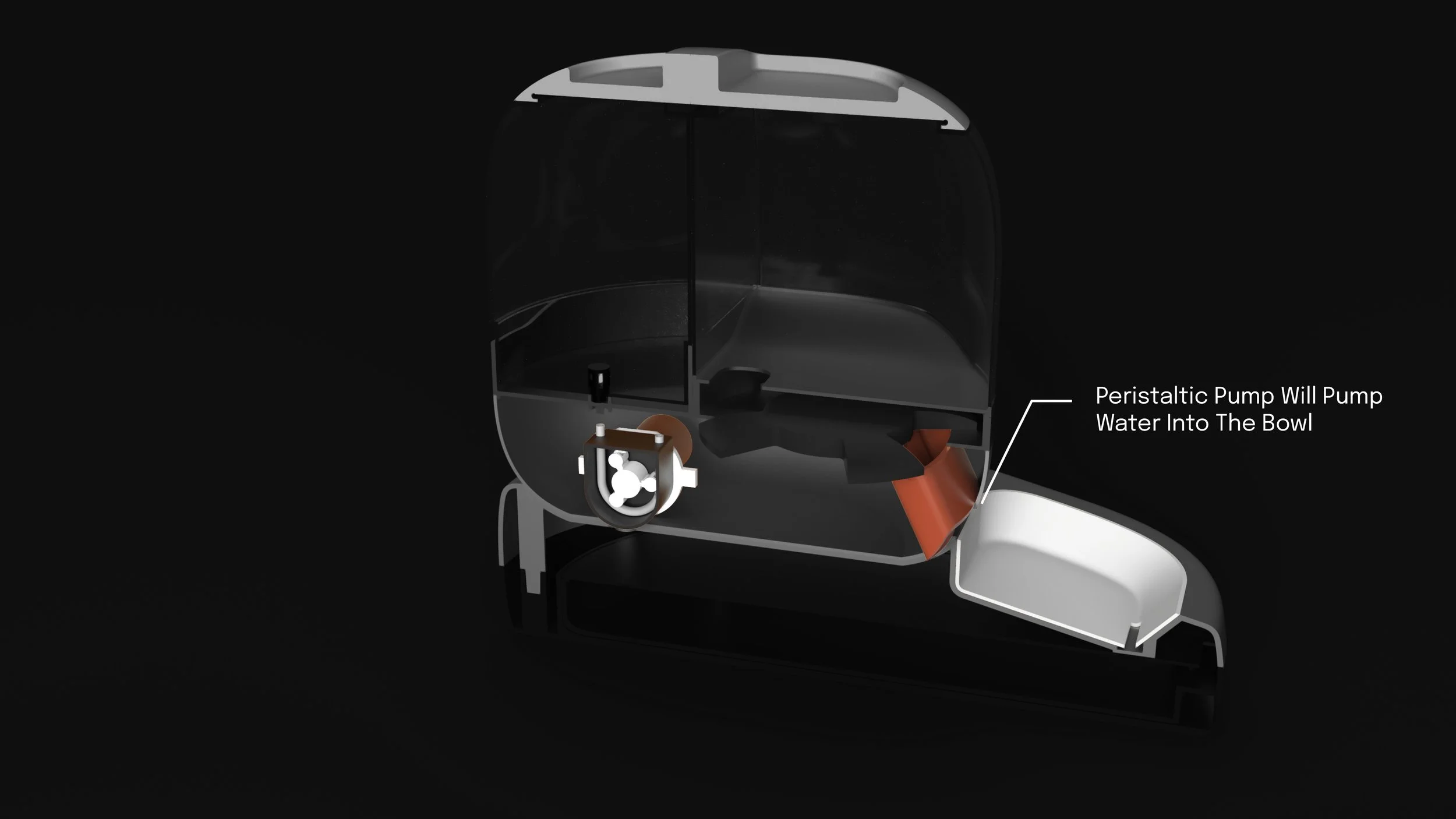
4. Then water flows into the Peristaltic Pump, which helps pump water out
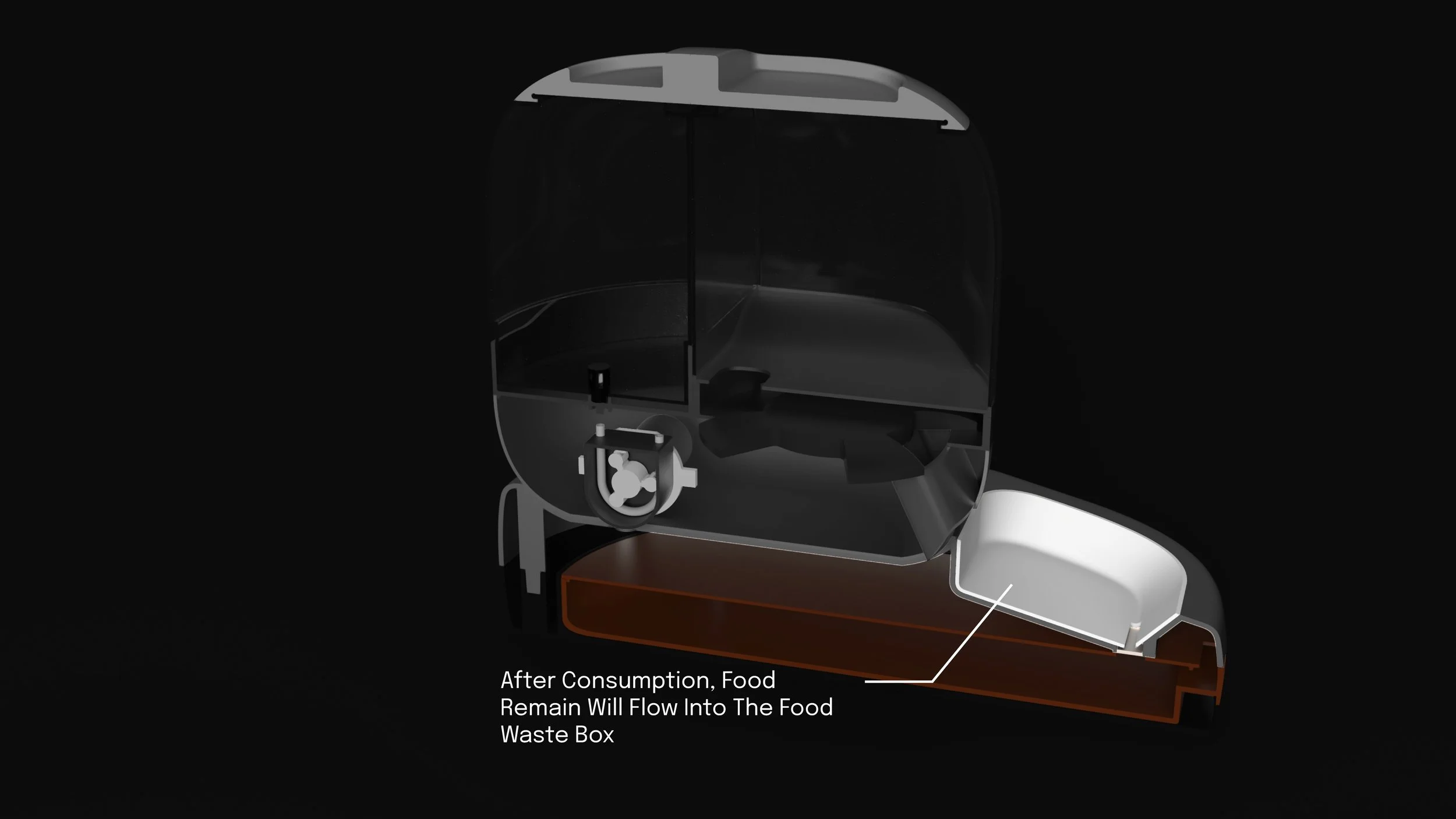
5. Finally, the freeze-dried meat soaks up the water and starts softening, turning into wet food
When cat can’t finish
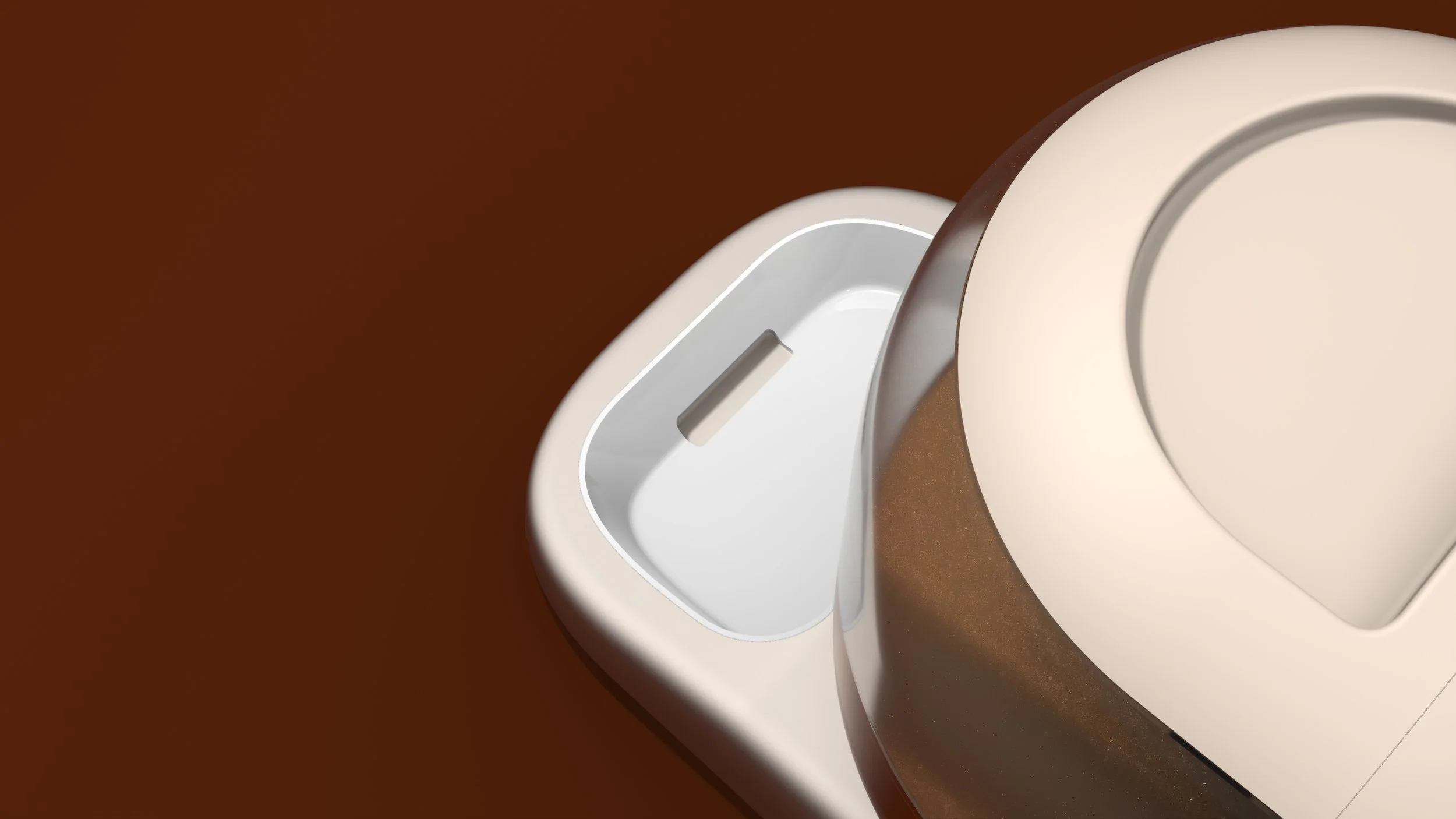
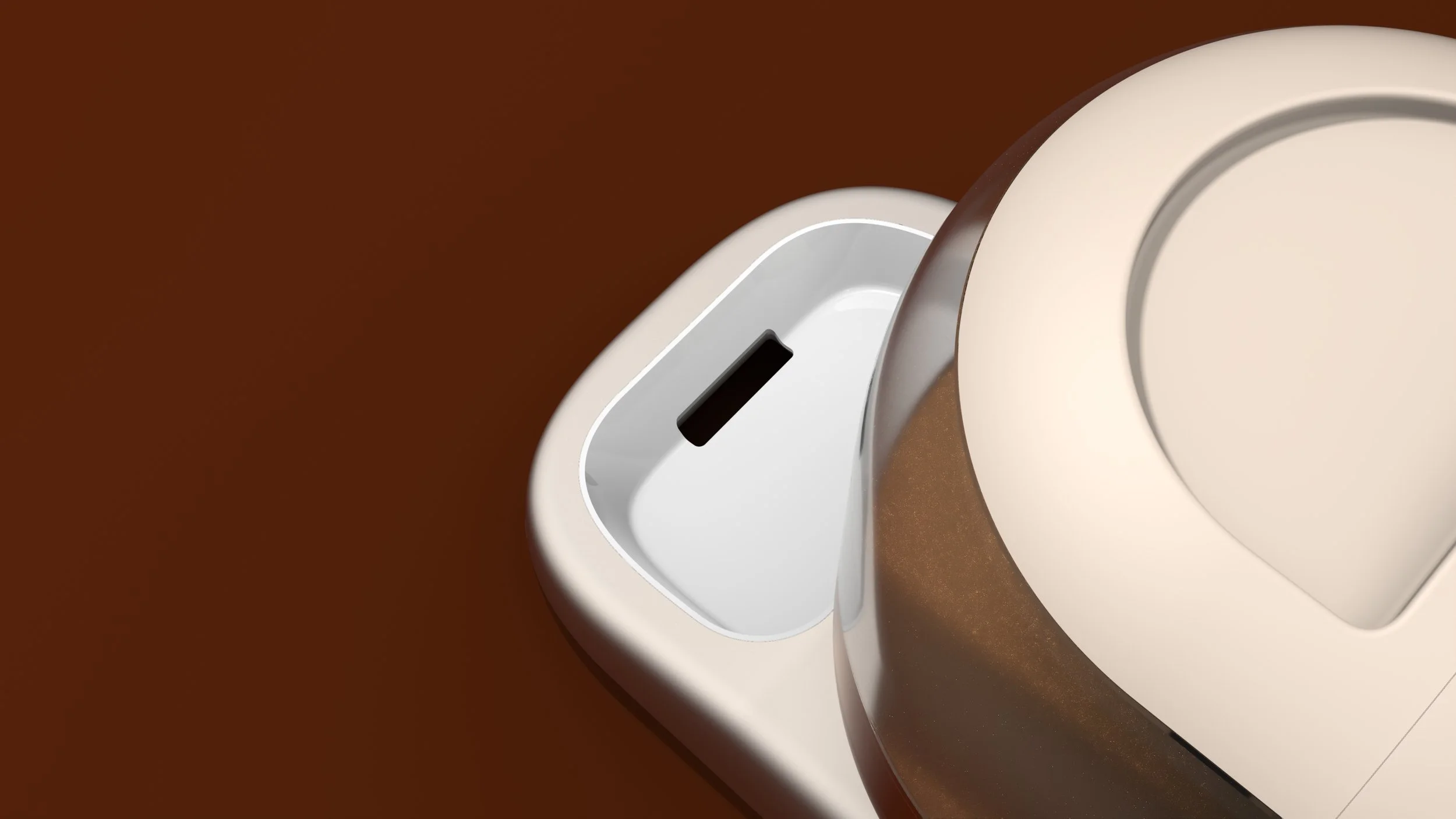
After 15-20 minutes (customizable), the gate to waste storage will open, preventing the remaining food from drying out and sticking to the bowl, and the meat soup will flow to the downspace.
Gate To Food Waste
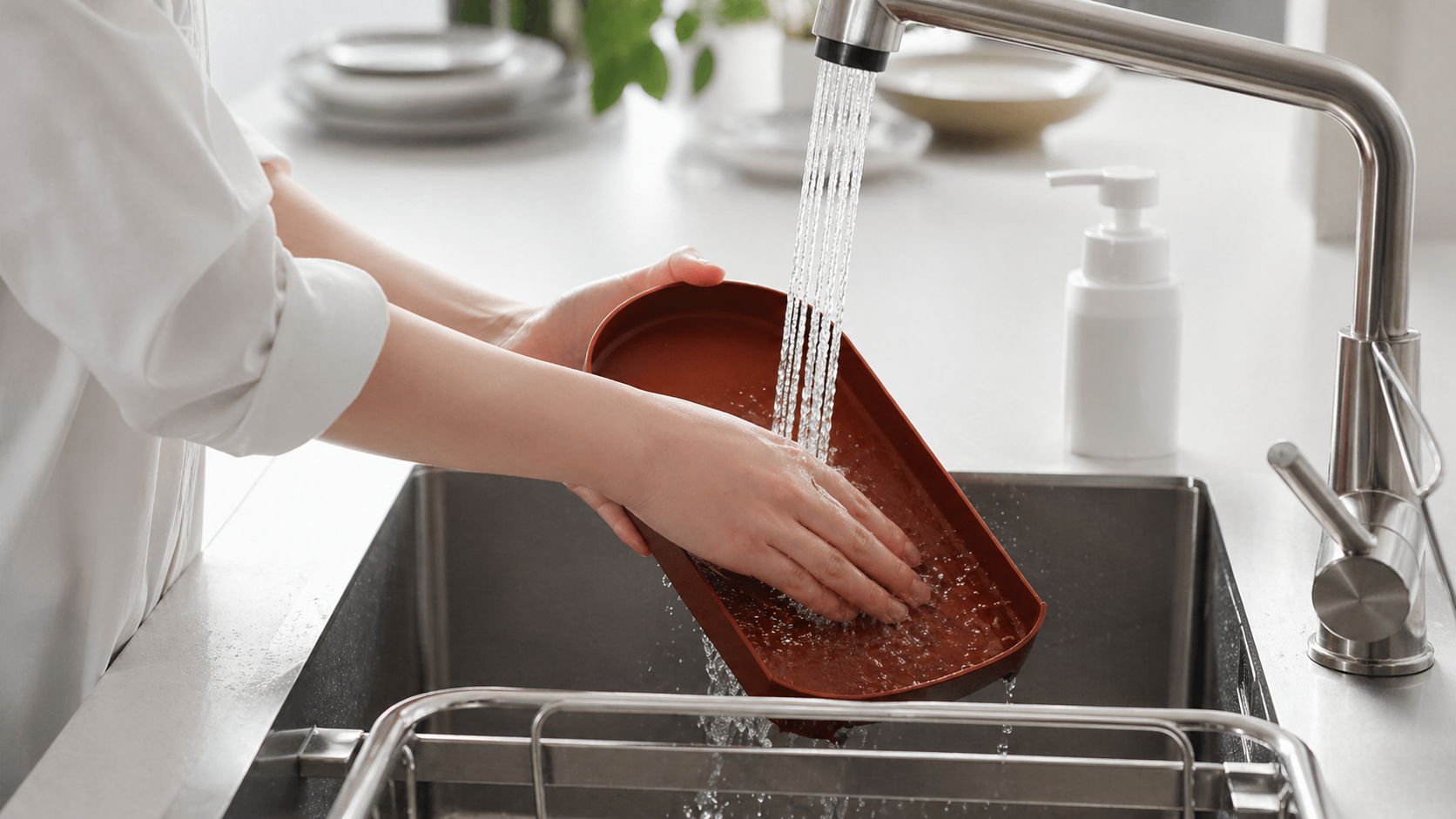
When we get back home
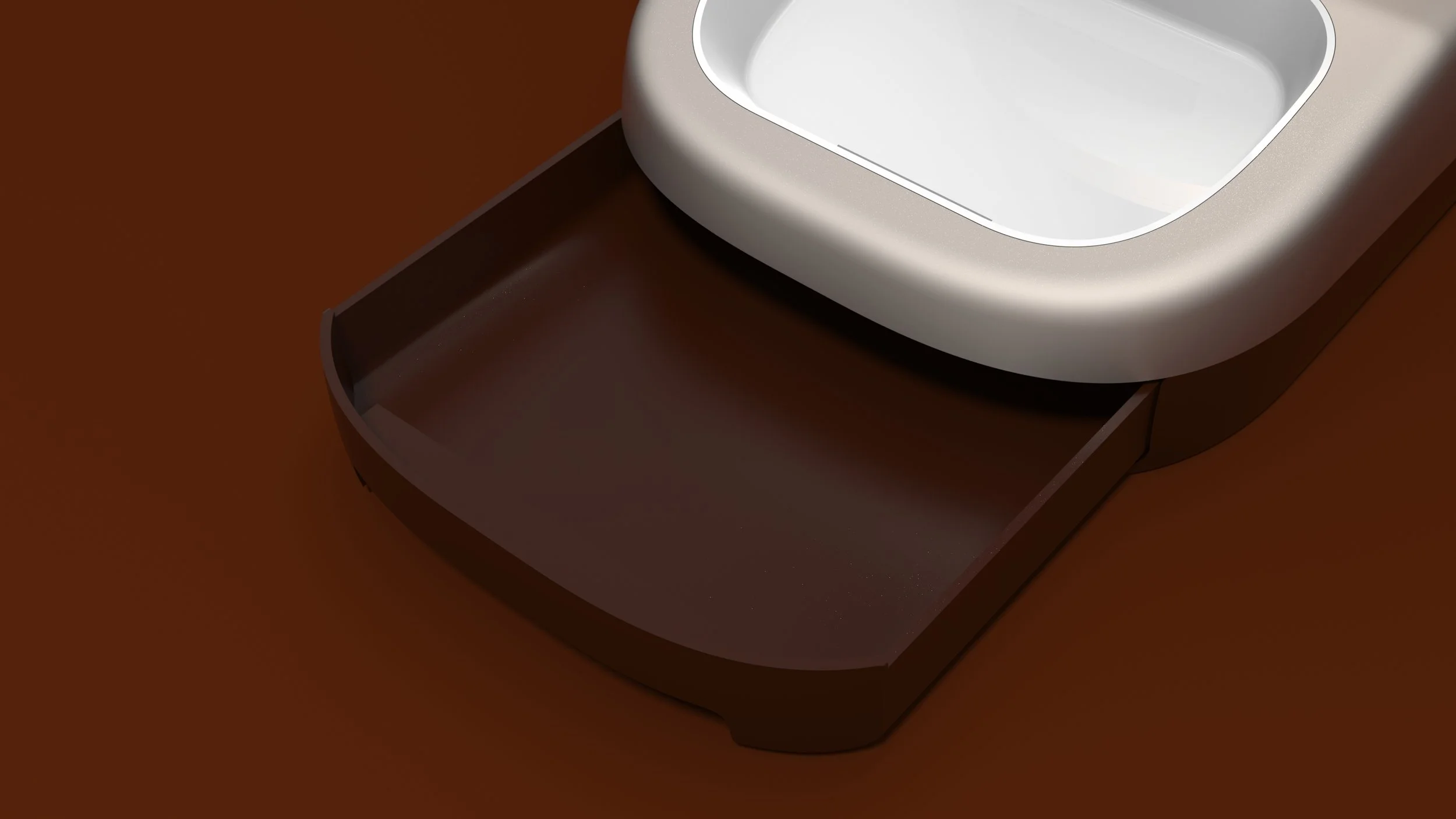
Easy To Clean
Once we get home, we can simply pull out the food waste box and give it a quick rinse with water.