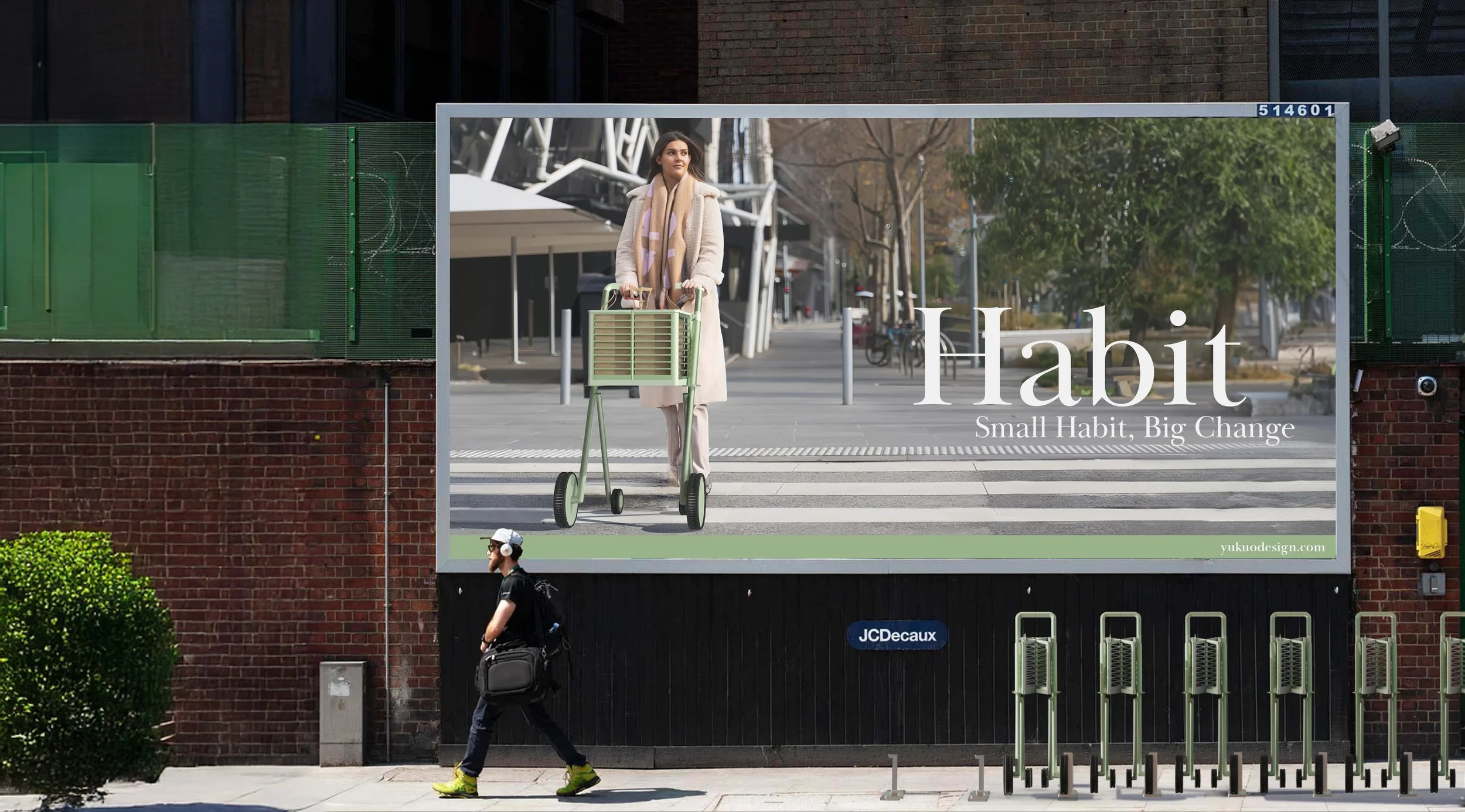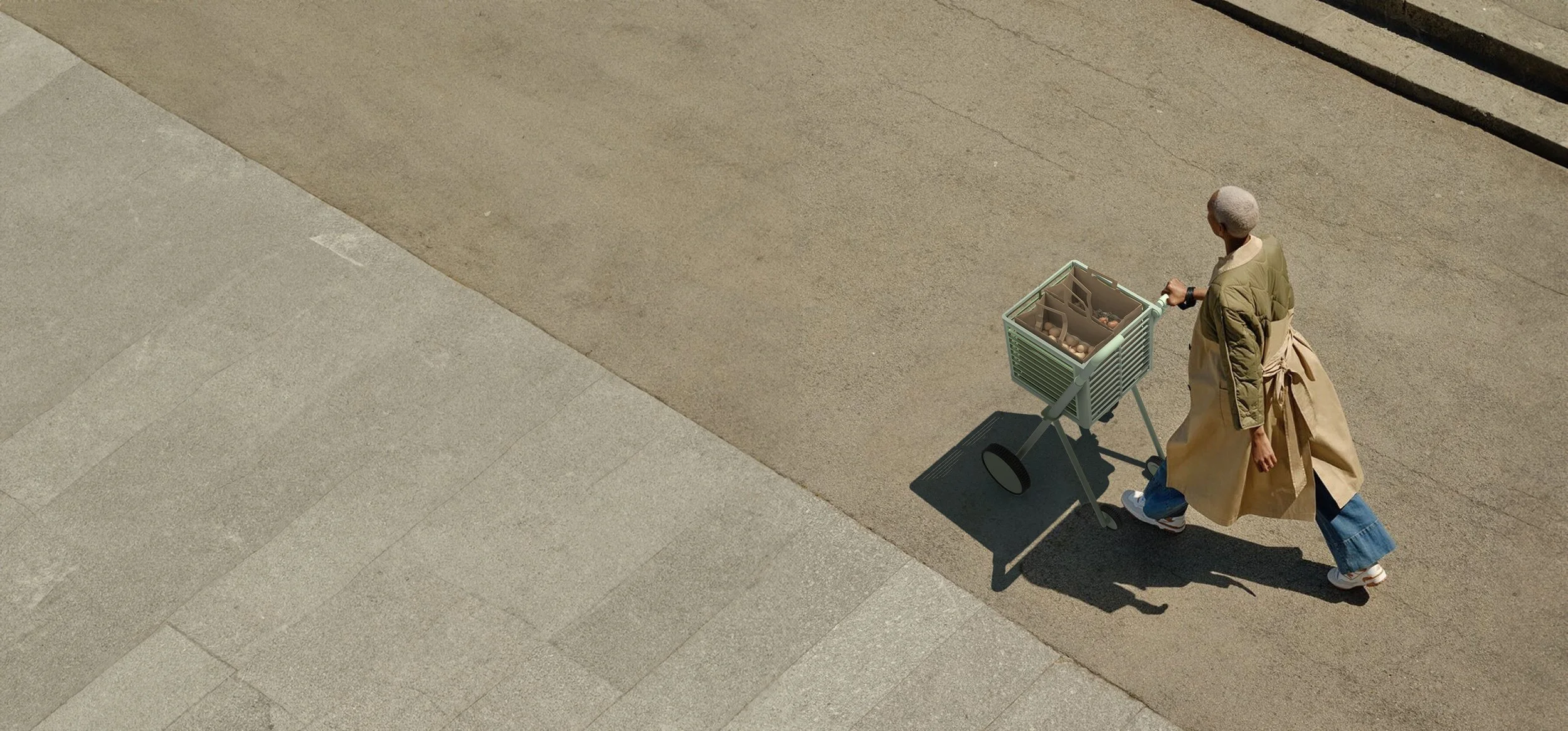
small HABIT, big CHANGE
Duration: 4 months, May-August 2024
Focus: Design Research, User Behavior Research, Insight
HABIT
“Could you check how many plastic bags are in your house?”
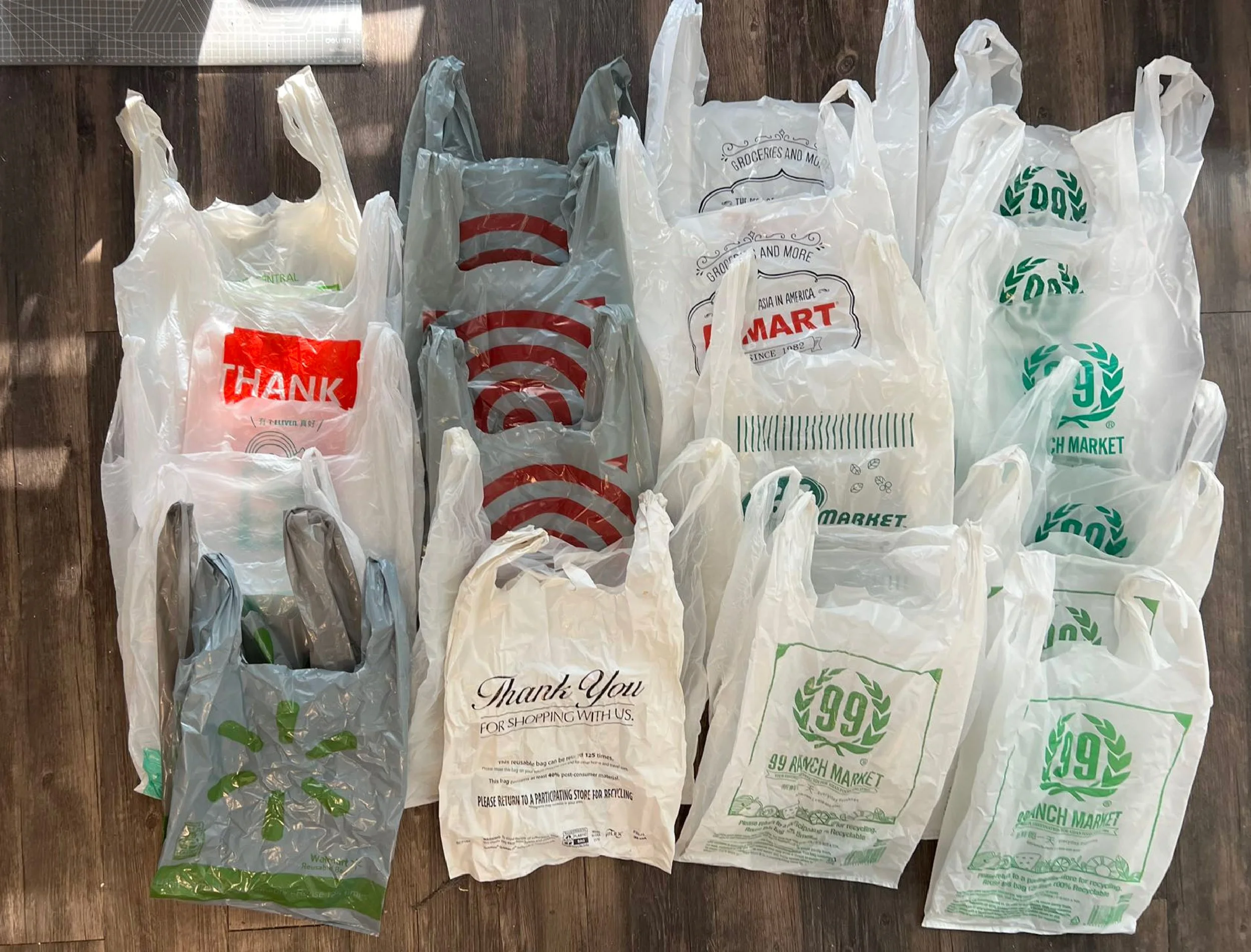
“Could you check how many plastic bags you have in your house ?”
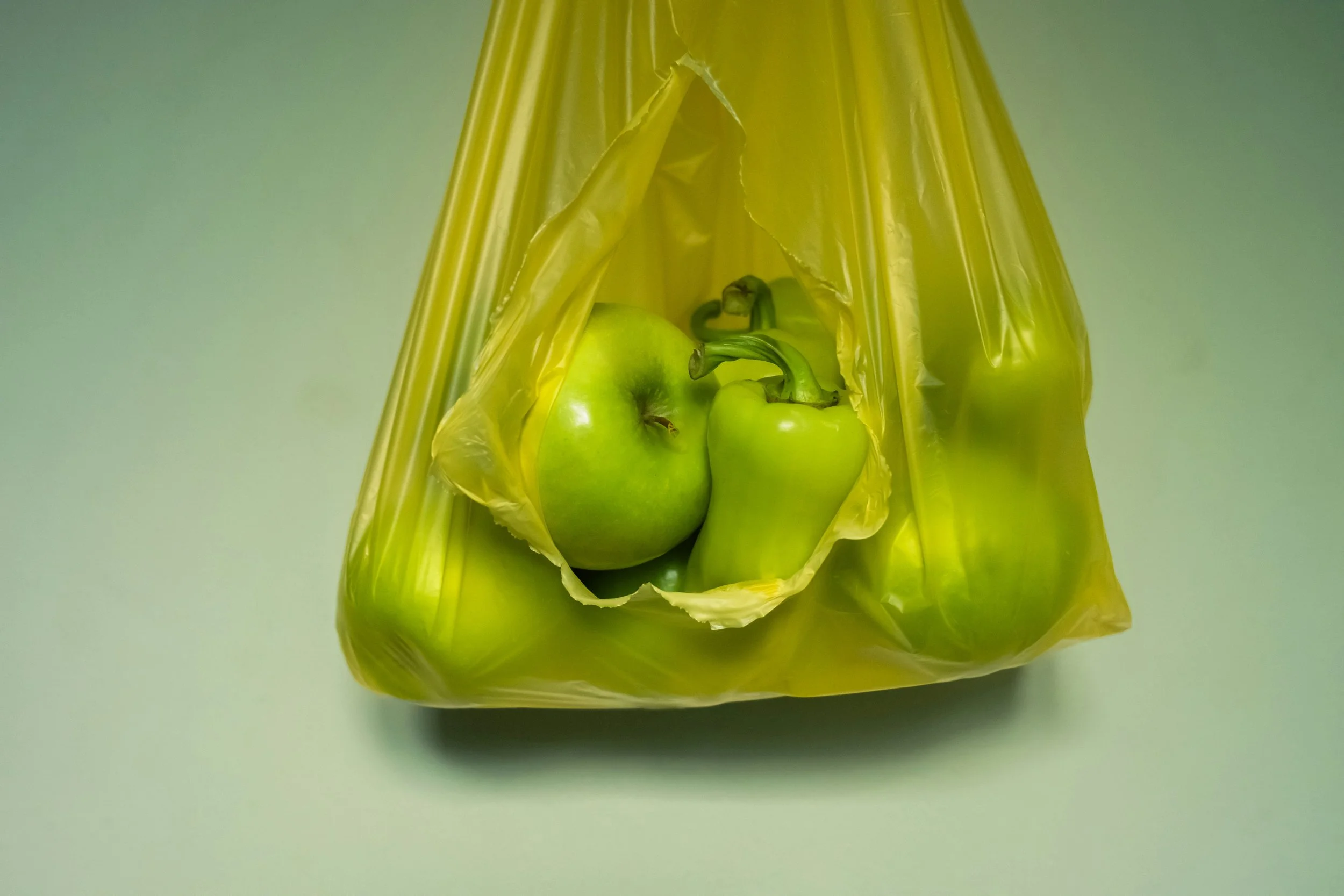
This is the plastic bag from a 2 students apartment…
- 20+ plastic bags in total, by roughly counting
- Most of them are from the grocery store

“How many plastic bags do you have right now?”
- Almost half of the responders claim about 15+ plastic bags
- After asking to confirm, they find out the exact number is larger
Where are those bags coming from?
Nowadays, we have alternatives to plastic bags. Why still so many plastics?

Plastic Bag / Paper bag
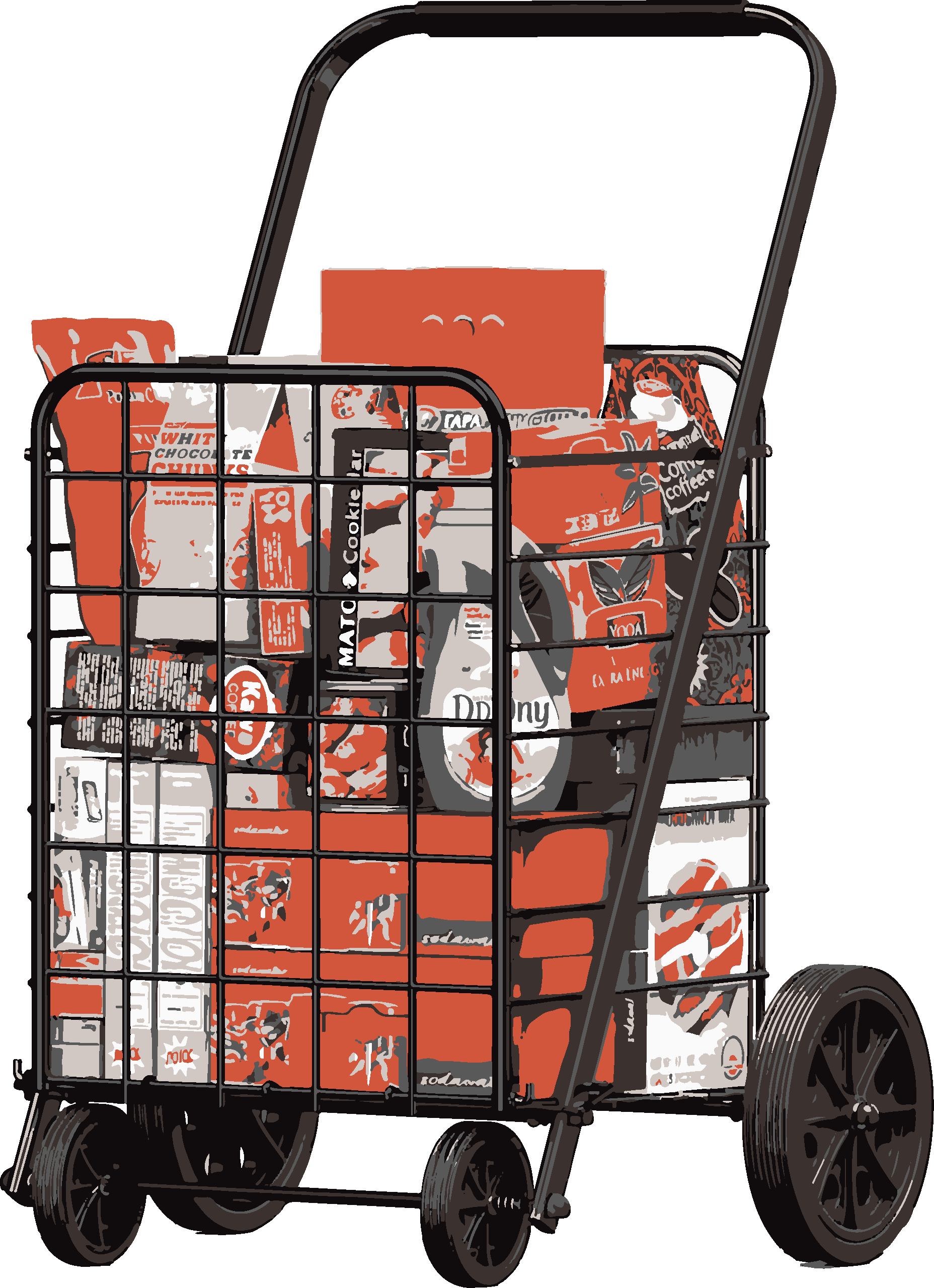
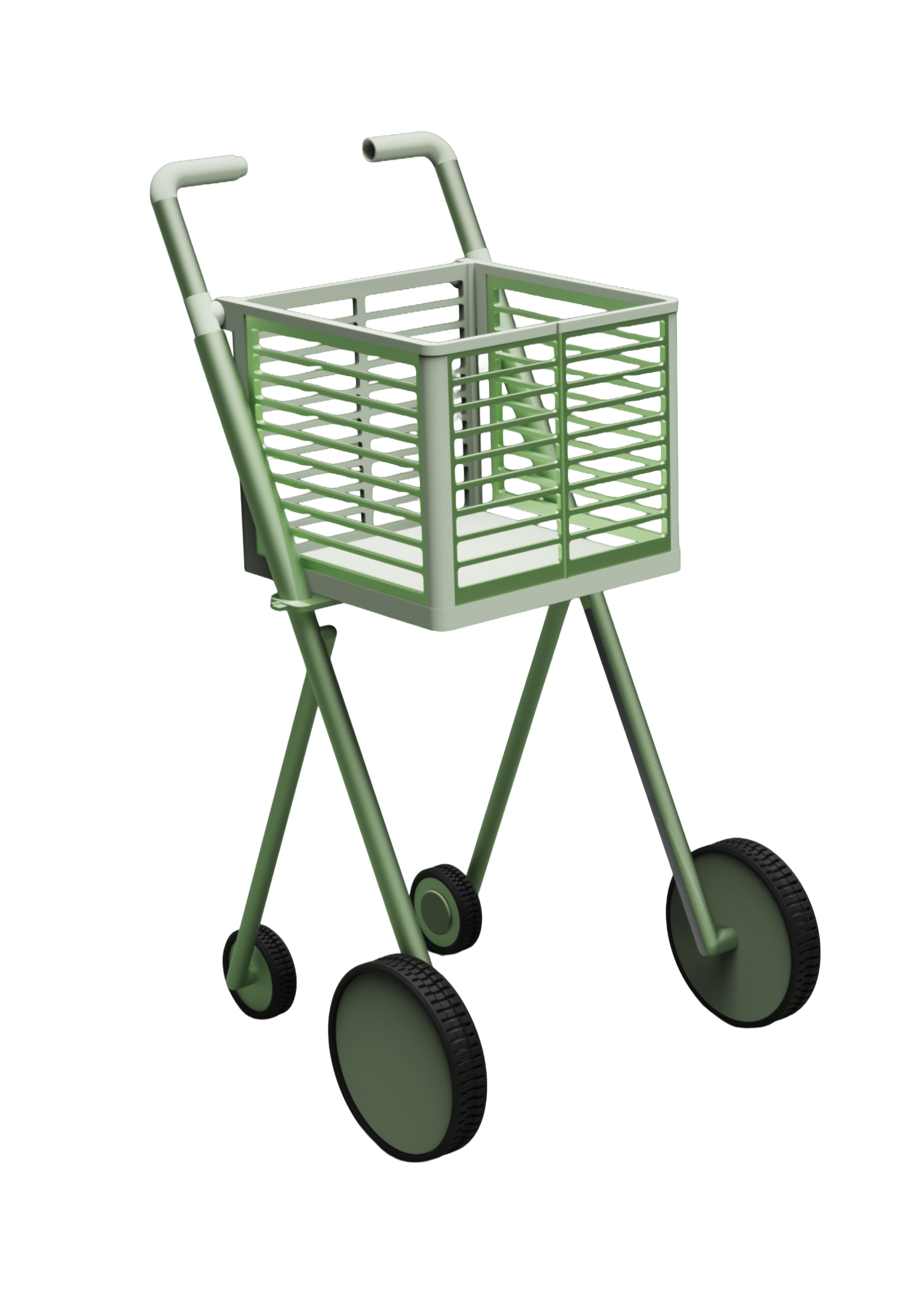
Personal Cart / “Granny” Cart

Shopping Bag / Reusable bag
Thinking About This…
Sometimes people go to the grocery without a plan, for example, after school / after work
It’s difficult for people to always carry the grocery bag with them when they go to work / school

Let Me Introduce “Habit”
Problem
1. Walking Customers easily forgot bringing a reusable bag
2. Walking Customers have difficulties to bring grocery home
Goal
Designing A New Grocery Experience With Less Plastic and Better Mobility
Design Feature
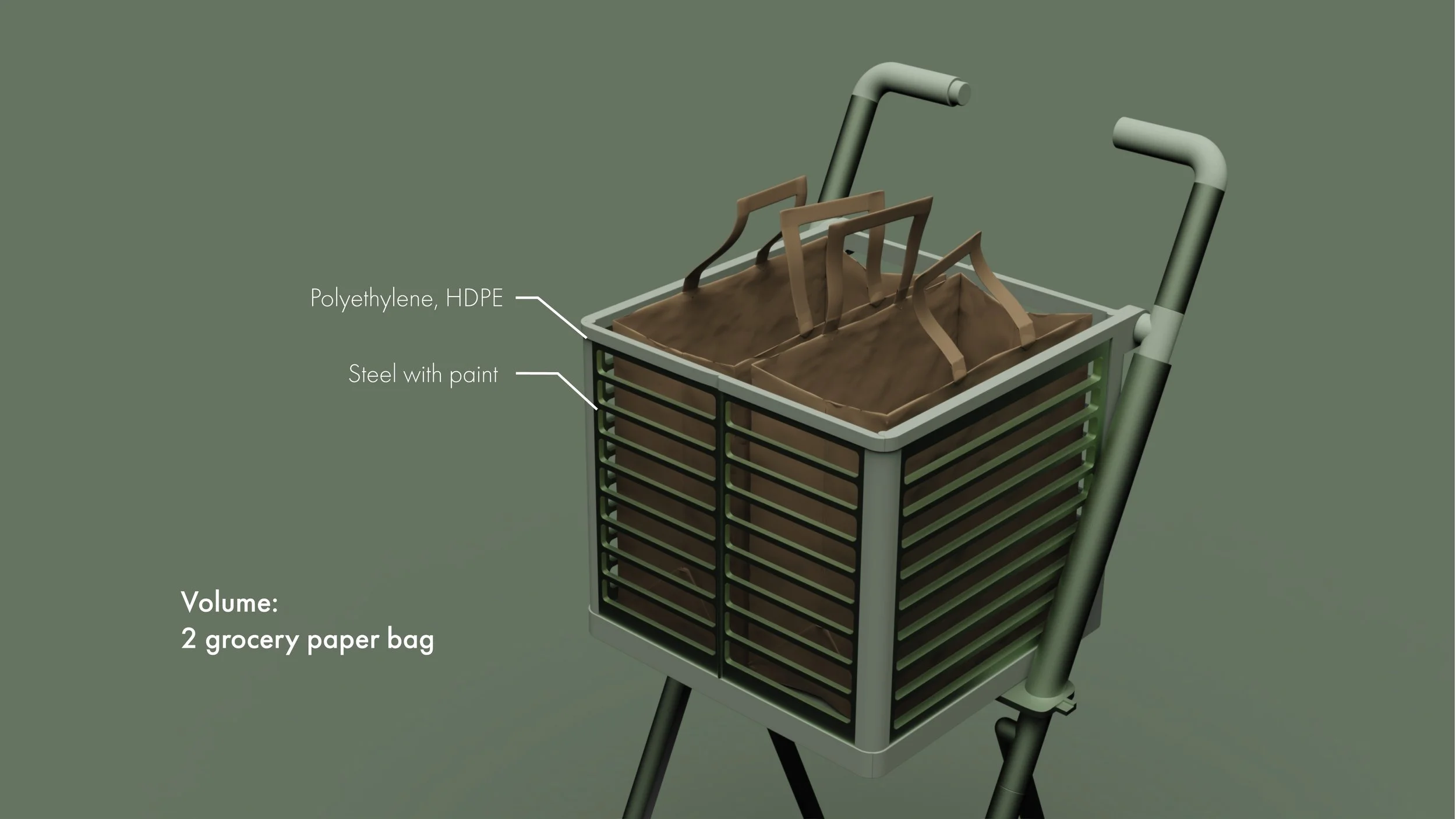

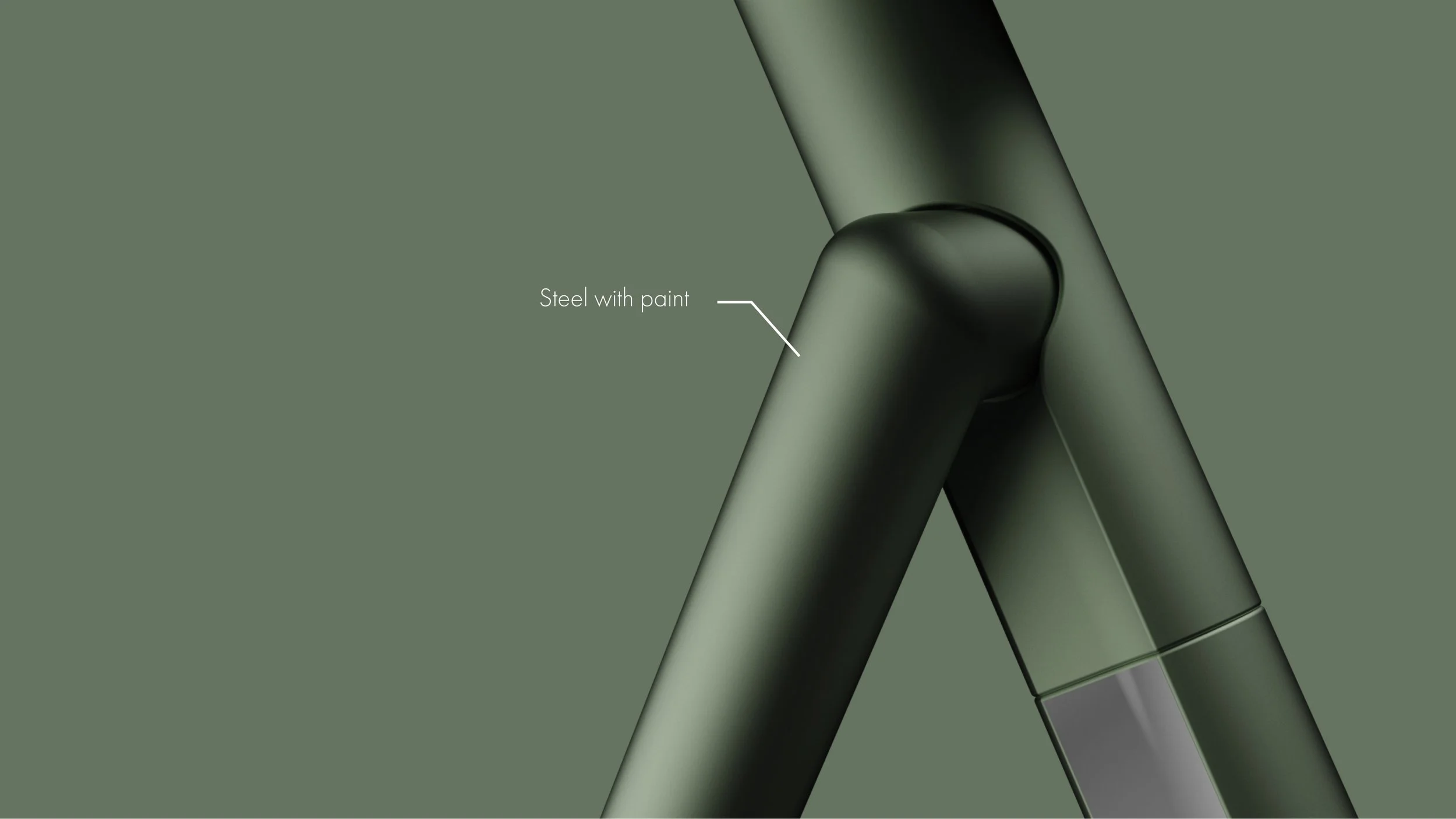
Concern On Bags
Although customers have an extra paper bag for reinforcement, they remain concerned about durability. Also, carrying heavy groceries from the store to home often comes with physical pain.


User Scanrio
Collect & Repair
Habit is owned by a specific company, not individual supermarkets
At night, the company replenished the Habits in the stores
After that, the company collected the Habits from the LockStation in public for repair and cleaning
Most of the groceries happen without a plan. Sometimes people either finish their duty and suddenly decide to come or forget to bring their bags.
There are currently two key issues to address:
Customers who walk to the store often do not bring reusable bags, leading to increased plastic bag usage.
Carrying heavy groceries home is inconvenient and physically tiring.
Since customer behavior before arriving at the store is unpredictable, can we instead provide a service or product at the checkout to address these issues?
Behavior Research
A week-long behavioral observation study across 7 supermarkets & Surveys and interviews with 42 participants
Walking To Grocery
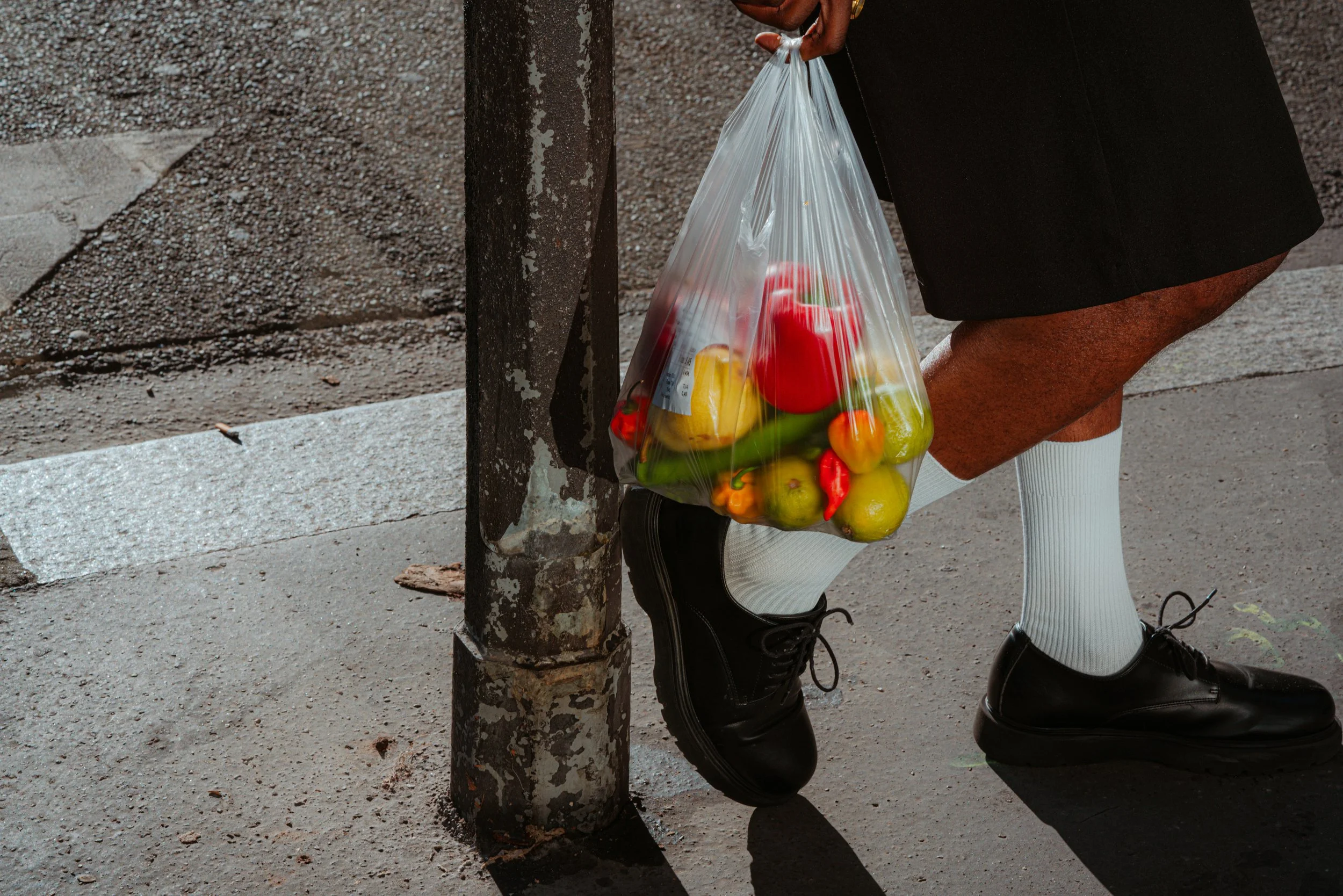
Compared to customers who drive to the store, those who walk or use public transportation are more likely to purchase plastic bags. They are commonly located in urban areas with shorter travel distances
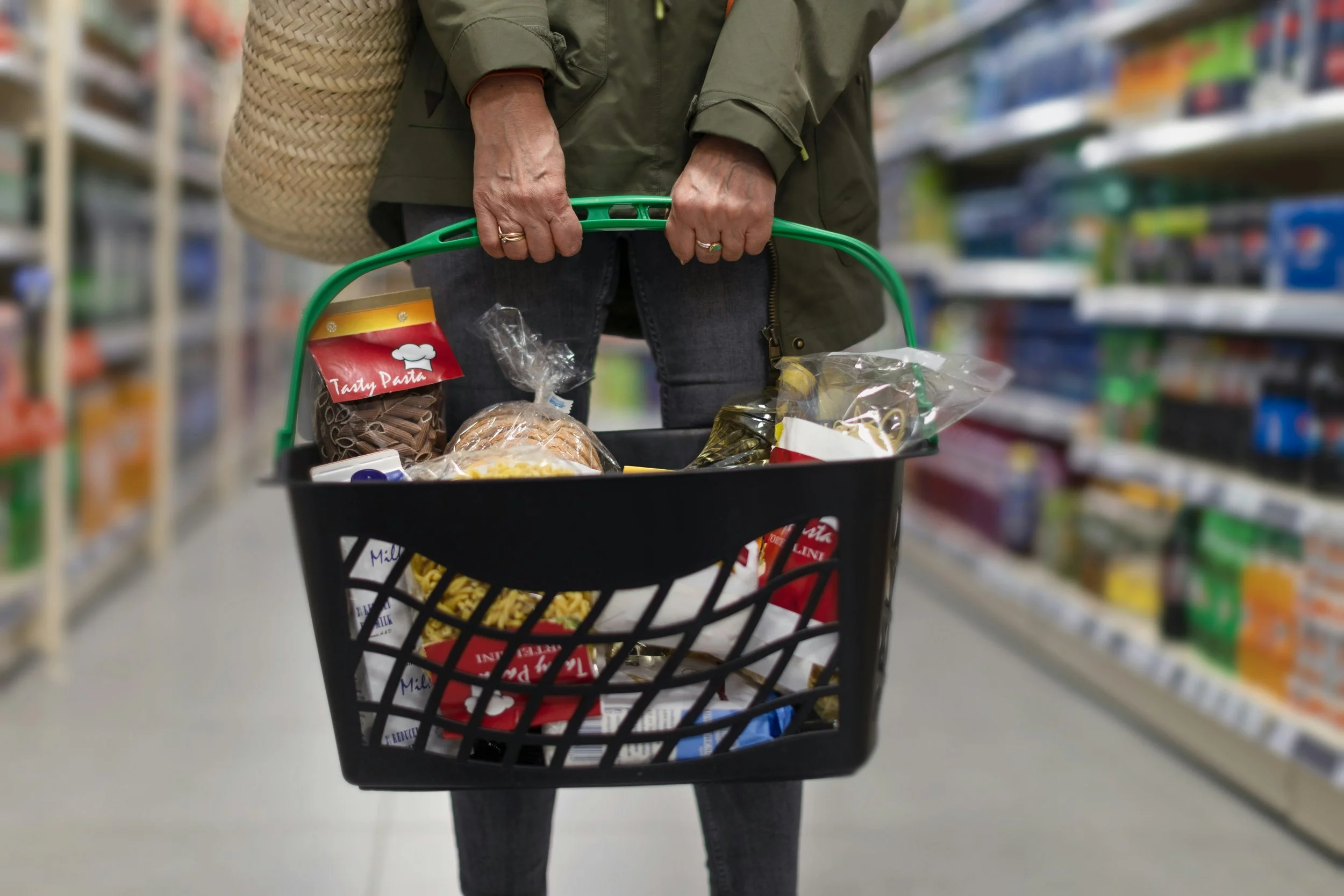
Grocery Happen Unpredictably